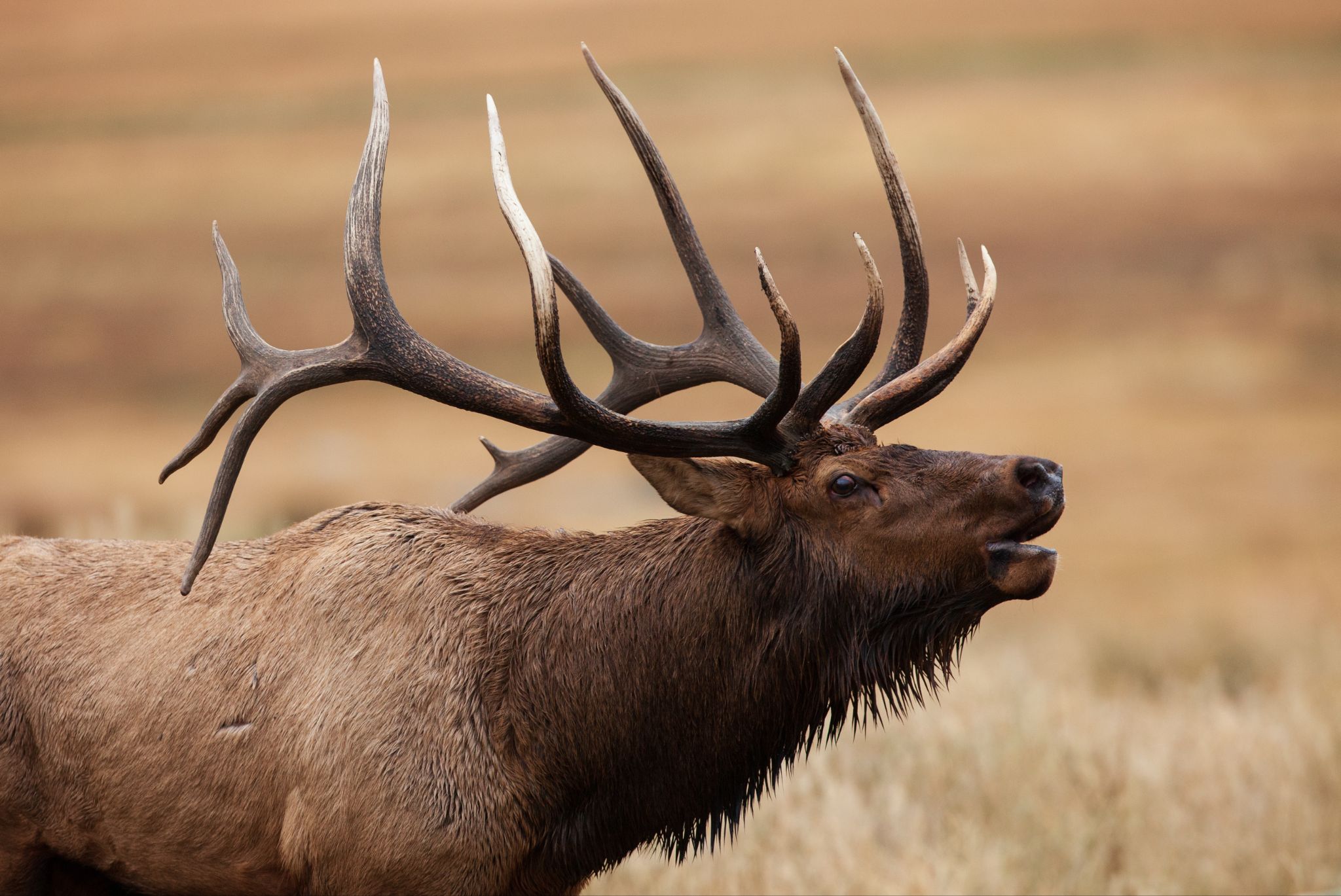
Elk migration patterns in Utah affect where elk feed, bed, and travel as the season changes. For hunters, that means weather, snow, elevation, access, and pressure are important factors. If you understand elk migration, you build a better plan for Utah elk hunting, scout more efficiently, and make smarter decisions before and during the hunt.
Why elk movement matters before your hunt
If you’re planning an elk hunt in Utah, it helps to know one thing early: elk won’t stay in the same place all season. As the weather changes, elk move between summer range, transition areas, and lower country. That movement changes where you hunt, how you scout, and how much ground you need to cover.
Many hunters waste time by sticking to a single early plan even after conditions change. A better approach is to understand how elk migration works and build your hunt around what elk are doing when you’ll be out there. That gives you a more practical way to plan for Utah elk hunting and make the most of your time in the field.
Elk migration patterns in Utah
In Utah, elk usually spend summer in higher country, then move through transition areas and into lower winter range as conditions change. That shift doesn’t happen on one fixed date. It depends on snow, weather, forage, pressure, and the area elk are using.
For hunters, a spot that holds elk early in the season looks very different a few weeks later. Some elk begin winter movement as early as September, while others move later, and snow depth plays a major role in how far they move.
It also helps to separate migration from normal daily movement. Feeding and bedding shifts happen within the same area. Migration changes the larger area of the country that elk use across the season. Understanding Utah elk hunting helps you make better decisions about timing, terrain, and when to adjust your plan.
How to plan your hunt around elk movement
1. Start with your hunt dates
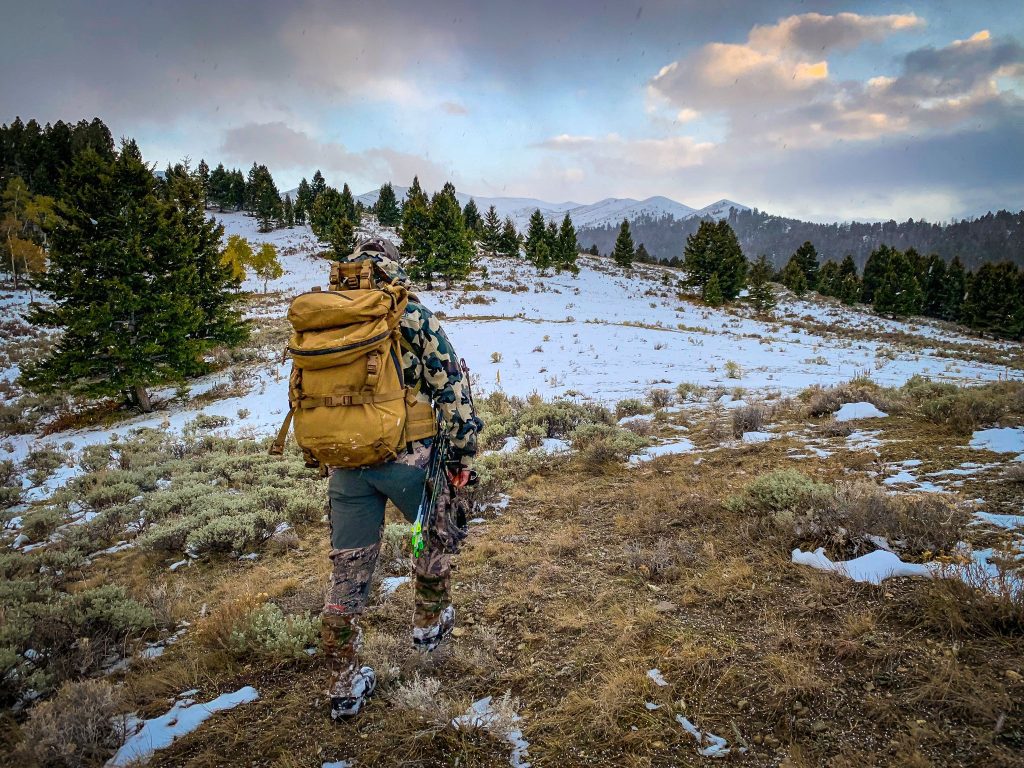
Your season dates matter because elk use different parts of a unit as conditions change. Early hunts may keep you higher. Later hunts may focus more on mid-elevation areas where elk travel. Before you do anything else, look at your exact hunt window and build your plan around what elk are most likely to be doing during that time.
2. Learn the unit before you hunt it
Don’t treat all Utah units the same. Study the boundaries, access, elevation, terrain, and general habitat before the hunt starts. That gives you a better idea of how to approach a specific area.
3. Watch the weather and snow
Weather is one of the biggest drivers behind elk migration. A mild stretch may keep elk using higher or mid-elevation country. A stronger storm pattern pushes elk into mid-elevation areas or even into lower ground. Check the weather often. Watch what’s happened in the days leading up to the hunt and keep checking while you’re in the field.
4. Plan more than one elevation band
Many hunters make the mistake of planning around a single area. A better strategy is to have:
- A higher-country option
- A mid-elevation transition option
- A lower backup area
That gives you room to adjust if elk move faster or slower than expected.
5. Scout for fresh sign
Fresh tracks, droppings, rubs, travel routes, and feeding activity tell you what elk are doing right now. If you’re not seeing the current sign, don’t talk yourself into staying. Move and look for better information.
6. Pay attention to pressure
Elk avoid roads and hunting pressure. That means elk may still be in the area, but they may shift into thicker cover, steeper pockets, or quieter country once pressure builds. If access is easy, expect elk to react.
7. Know where public and private land meet
Elk often use private ground as refuge if it gives them security. Before the season starts, make sure you understand land ownership, access routes, and where nearby boundaries might affect elk movement.
8. Match your gear and physical prep to the country
If your plan depends on hiking off roads, moving between drainages, or adjusting to where elk have shifted, your gear and conditioning need to support that. Good boots, dependable optics, and a realistic pack-out plan matter more than bringing extra gear you won’t use.
9. Think honestly about your time and experience
Some hunters have the time to scout a unit hard and adapt over several days. Others don’t. That’s one reason guided elk hunts make sense. If you’re short on time, unfamiliar with the unit, or coming from out of state, local knowledge helps you build a more efficient plan from the start.
How elk movement changes your hunt plan
Early hunt with mild weather
If conditions stay mild and snow hasn’t moved elk, they may still be in higher country near summer range. Focus on feed, water, bedding cover, and good glassing points. Hunters who go too low too early often hunt below the elk.
Midseason hunt after a storm
A strong storm shifts the hunt quickly. Elk may start using mid-elevation ground more or begin moving lower. Not every elk drops at once, but you need to widen your plan and be ready to change elevations.
Public-land hunt with heavy pressure
Pressure changes elk behavior fast. If roads are busy and access points fill up, elk often move into thicker cover or quieter terrain. If you’re not finding fresh sign, it usually makes more sense to move than wait it out.
Nonresident hunter with limited time
If you only have a few days to hunt, trial and error costs you. This is where guided elk hunts help. Current local knowledge saves time and helps you focus on areas that align with current conditions.
Why understanding migration improves your odds
If you understand how elk move across the season, you make better choices about where to start, when to move, and how to adjust.
That helps because it can:
- Keep you in the right elevation band for current conditions
- Improve your scouting efficiency
- Help you respond faster to storms or warm spells
- Reduce time spent hunting empty country
- Help you understand how pressure affects elk behavior
- Make Utah elk hunting planning more realistic
- Help you get more value from guided elk hunts if you choose that route
Migration knowledge won’t guarantee success, but it does help you spend more of your hunt in places that still make sense.
Common mistakes hunters make
Many hunters know elk move, but they still make the same planning mistakes every year.
- Assuming elk will be in the same place every season: Past experience helps, but it doesn’t override current conditions.
- Ignoring recent weather: Snow depth is one of the biggest migration triggers in Utah. If you don’t pay attention to recent weather, you end up hunting old patterns.
- Hunting one elevation only: Elk may be high, low, or somewhere in between. If you only plan for one zone, you limit your options too much.
- Overlooking pressure: Pressure moves elk. If roads and access points get crowded, elk often shift to quieter country.
- Forgetting about private refuge: If elk find more security on private ground, they may use it. Hunters should understand how nearby private land affects movement.
- Refusing to adjust during the hunt: A rigid plan wastes a lot of time. If the sign is gone or the conditions have changed, it’s usually better to move.
Utah elk migration data and research insights
Wildlife research in Utah supports what experienced hunters see in the field.
- The USGS Western Migrations project maps herd-level seasonal movements across the West, including Utah-supported migration work.
- The NRCS Utah Snow Survey provides real-time snowpack and mountain condition data that helps hunters understand when elk may remain high or start moving lower.
- U.S. Forest Service research found elk use was greater in areas with better forage and farther from open roads.
- Utah’s Hunt Planner gives hunters access to maps, boundaries, biologist notes, and hunt data that help apply statewide information to a specific unit.
Tools and recommendations for planning a hunt
A few practical tools help you stay organized and make better decisions in the field.
- Use Utah’s Hunt Planner: Start with unit boundaries, access routes, biologist notes, population data, and harvest information.
- Read the current regulations: Make sure you know season dates, weapon rules, and reporting requirements before the hunt.
- Watch weather and mountain conditions: Pay attention to recent storms, temperature swings, and changing conditions in the elevations you plan to hunt.
- Use a dependable mapping app: Offline maps, land ownership layers, and elevation detail all matter when plans change.
- Prioritize mobility and optics: Good boots, solid glass, and the ability to adjust matter more than extra gear.
- Plan for meat care and recovery: Think through pack-out routes, cooling, and recovery time before the season starts.
- Decide whether a guided hunt fits your goals: Guided elk hunts help if you want local knowledge, less guesswork, and a more efficient plan.
FAQ
When do elk usually start migrating in Utah?
It depends on the area and the conditions. Some elk may begin moving as early as September, while others shift later. Snow depth, forage, and pressure all affect timing, so hunters should watch current conditions rather than expect a single fixed schedule.
How does elk migration affect Utah elk hunting success?
Migration affects where elk spend time, how visible they are, and how they respond to weather and pressure. Hunters who understand that movement scout more efficiently and avoid wasting time in country that no longer holds elk.
Do elk always move lower after the first storm?
No. One storm influences elk behavior, but it doesn’t always cause a full shift. Hunters should look at how much snow is sticking, how long it lasts, and what conditions are doing across the area.
Are guided elk hunts helpful when hunting migration patterns?
They are, especially for nonresidents, first-time Utah hunters, or anyone with limited time. Guided elk hunts help because current local knowledge about terrain, access, pressure, and elk movement often matters more than general assumptions.
What should I look for when scouting migrating elk?
Look for fresh signs and changing terrain use. Tracks, droppings, rubs, travel routes, fresh feeding, and bedding patterns all help you understand where elk are right now. During elk migration, recent sign matters more than old scouting notes.

Plan smarter with R&K Hunting Company
A better elk hunt usually starts with better planning. If you understand how elk migration affects timing, elevation, pressure, and access, you make smarter decisions before and during the season.
If you’re looking for a more practical approach to Utah elk hunting, R&K Hunting Company offers the experience and local knowledge to help you plan with confidence and spend more time in the right country.
To learn more about upcoming hunts or talk through your options, contact R&K Hunting Company and start planning your next hunt.