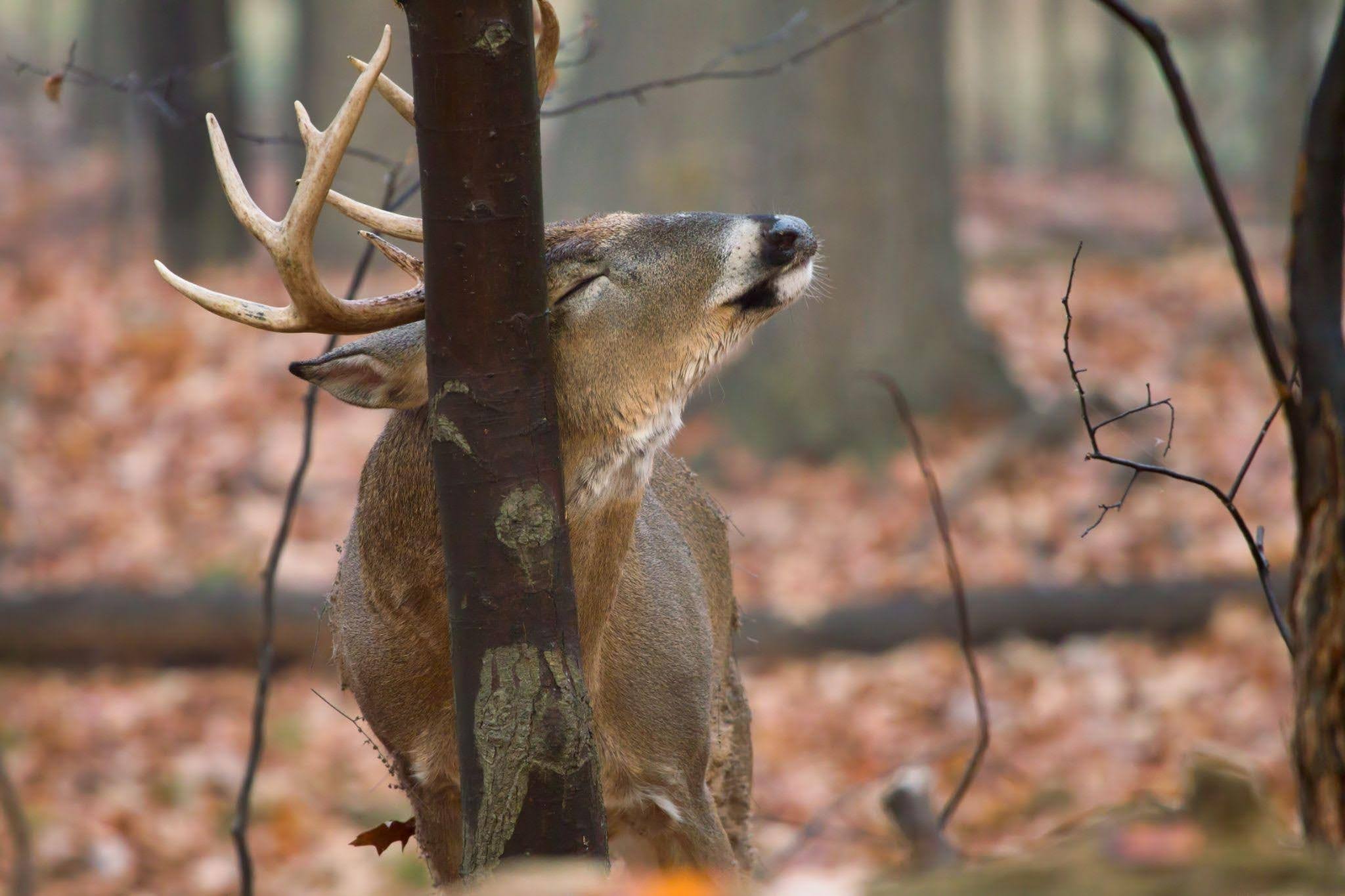
Rut signs help hunters recognize breeding-season activity and decide where to scout next. Rubs mark trees where bucks or bulls work their antlers. Deer make scrapes to communicate through scent, while bull elk use muddy wallows. Learn to distinguish fresh activity from old sign before choosing where to spend your hunting time.
Start with what the sign tells you
You find a sapling with fresh bark at its base, then notice tracks heading into the timber. A buck or bull came through, but when? Is it still nearby?
Reading deer scrapes and rubs helps you follow those clues. During the rut, animals leave signs of where they’ve traveled, but even fresh marks don’t mean they’re still nearby. Look for recent movement in the surrounding country, and check the wind direction before following the tracks.
What do rut signs tell hunters?
Rubs show where animals rubbed their antlers. Scrapes signal scent communication, and wallows often mark bull elk activity. These signs of deer rut identify places worth checking, but don’t tell you where an animal is now.
Ask when an animal left the sign. Then look for trails between cover and feeding areas.
| Sign | What you see | Common purpose |
| Rub | Scraped tree trunk | Antler rubbing and scent communication |
| Scrape | Bare earth beneath a branch | Deer scent communication |
| Wallow | Muddy depression with hoofprints | Bull elk scent marking |
These clues also change through the season. Early rubs may come from velvet shedding, while peak-rut males often spend their time looking for receptive females.
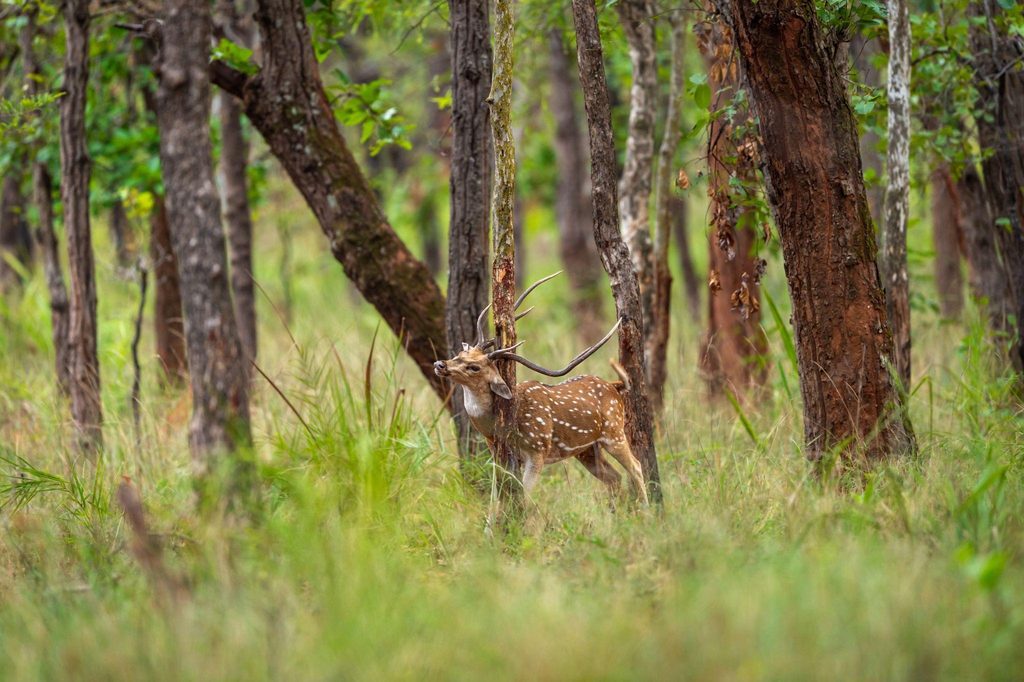
Rubs: How bucks and bulls mark trees
Bucks and bulls rake their antlers against trunks, stripping bark and exposing pale wood. They rub to shed velvet before breeding season and keep rubbing through the rut.
Several rubs along a trail may reveal a travel route. Before walking farther, check whether fresh tracks follow the same path.
The size of a rub may offer clues about the animal that made it, but larger trees don’t necessarily indicate a mature bull. Younger animals may rub trees of similar size.
Scrapes: How deer communicate through scent
Deer paw away leaves to expose the soil, then leave scent in the scrape and on an overhanging licking branch. Whitetails use these areas for scent communication with other deer, and some return to the same locations throughout the season.
Fresh deer scrapes often show newly turned dirt or distinct hoofprints. Still, a scrape doesn’t prove a buck will visit during daylight. Some deer investigate the licking branch without disturbing the ground.
Look for tracks along nearby trails to see where deer might approach from cover.
Wallows: What muddy areas reveal about elk
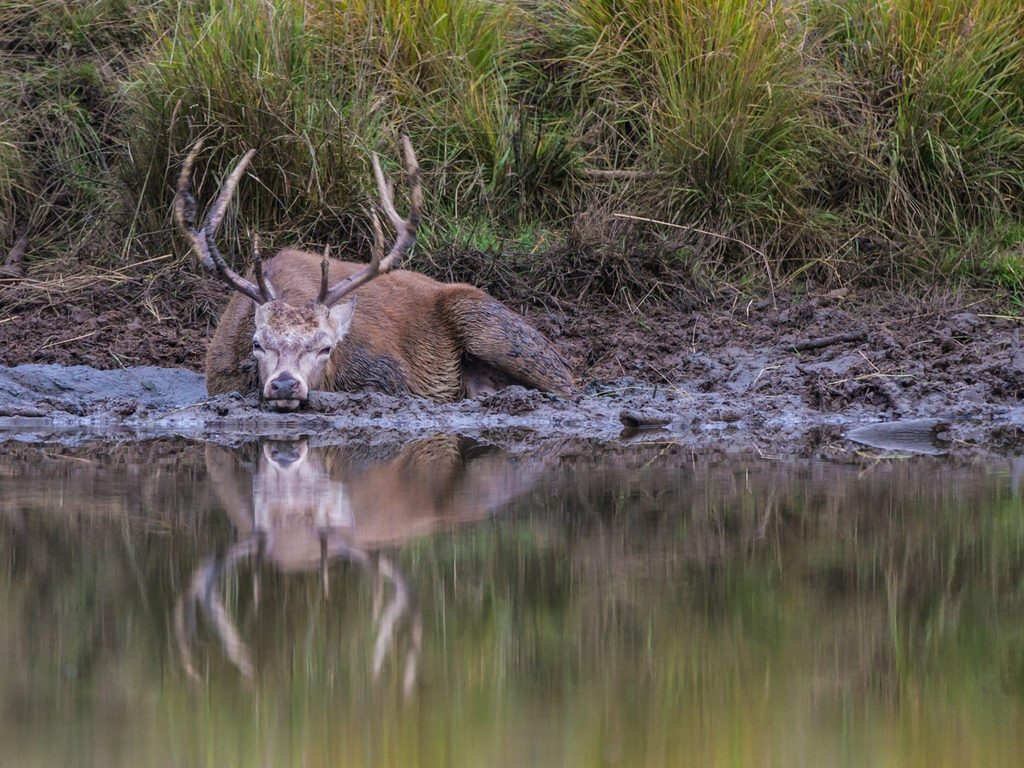
Bull elk urinate and roll in muddy depressions during the rut, coating their bodies with scent. Some bulls return to the same wallow throughout the season, while others visit only occasionally.
When you find a wallow, look for fresh hoofprints along its edges and mud splashed onto nearby plants. Then check the surrounding trails for other signs of elk activity, such as recent rubs or tracks heading into the timber.
Weathered tracks suggest older activity, and hunting pressure may push bulls to visit after dark. Look for a fresh sign nearby before deciding where to spend your time.
How rut signs differ between elk and mule deer
On guided elk hunts, fresh wallows and rubs help narrow down the drainages bulls have used. Tracks near cows add context, particularly when bulls aren’t bugling.
Mule deer hunters should pay attention to the travel routes of does and bucks. Mule deer make scrapes, though these marks often look less conspicuous than whitetail scrapes.
When reading deer scrapes and rubs in Utah or Wyoming, consider the terrain and the animal you’re hunting.
How to tell whether rut signs are fresh
Weather changes sign quickly. Rain blurs tracks, while new snow helps reveal recent travel. Compare several clues before deciding how long ago an animal passed through.
- Rubs: Bright wood and loose bark suggest recent contact; older scars often darken.
- Scrapes: Newly disturbed earth and clear hoofprints suggest activity since the last rain or leaf fall.
- Wallows: Soft tracks and splashed mud offer stronger clues than cloudy water alone.
- Nearby trails: Fresh tracks traveling toward cover help connect the sign with a possible route.
What to do after finding fresh rut sign
Say you find a fresh elk rub above a muddy wallow in Utah. Before entering the drainage, check whether tracks lead into timber and whether your approach would carry scent toward bedding cover.
Use this sequence when you find a promising sign:
- Confirm recent use. Check tracks and other signs nearby.
- Trace the likely route. Look toward bedding cover or areas where females gather.
- Study the wind. Account for shifting mountain thermals before moving.
- Choose a sensible position. Glass first and avoid walking through the trail unnecessarily.
- Reassess. If you find nothing fresh beyond that spot, look into the next drainage.
This approach also helps during mule deer hunts, where patient glassing may reveal a buck checking does instead of returning to an obvious rub.
Common mistakes hunters make
The best-looking sign isn’t always the most useful. Watch for these mistakes:
- Hunting old activity: A rub from earlier in the season offers little evidence about today’s movement.
- Assuming size: Big rubs don’t reliably reveal antler size or age.
- Waiting over every wallow: Some bulls use them briefly or only at night.
- Ignoring pressure: Repeated disturbance may shift travel routes into thicker cover.
Fresh evidence should shape the plan. Don’t stay in one spot because last month’s sign looks impressive.
Frequently asked questions about rut signs
1. What’s the difference between deer scrapes and rubs?
Rubs leave damage on tree bark when bucks work their antlers. Scrapes expose bare ground beneath a branch where deer communicate through scent.
2. How do you know whether a deer rub is fresh?
Look for pale exposed wood and loose bark. Recent tracks nearby add confidence, though rain and sunlight affect how quickly a rub ages.
3. Do mule deer make scrapes during the rut?
Yes. Mule deer make scrapes, although hunters often notice less scrape activity than they would in whitetail country. Watch for bucks following does, too.
4. Do bucks return to the same scrapes?
Some bucks revisit established scrape sites. Others pass through once, so check for recent tracks rather than assuming every scrape attracts regular visits.
5. Does a bigger rub mean a bigger buck?
No. Larger bucks sometimes rub bigger trees, but tree size alone won’t tell you the buck’s age or antler measurements.
6. Will bull elk return to the same wallow?
Sometimes. Bulls revisit certain wallows during the rut, but pressure and changing movement affect when they return. Check the tracks before waiting nearby.
7. When do signs of deer rut start appearing?
Bucks begin rubbing as their antlers harden, and they shed velvet. Other rut activity builds as breeding approaches, with timing varying by species and region.
8. Should you hunt directly over fresh rut sign?
Not automatically. Study the wind and nearby travel routes first. A position overlooking likely movement may offer a better opportunity than the sign itself.
Read the country with R&K Hunting Company
Recognizing signs of deer rut starts with looking closely at what animals left behind. Fresh evidence points you toward recent activity, but terrain and movement should shape your next decision.
R&K Hunting Company helps hunters plan Western trips around realistic field conditions. If you’re considering an elk or mule deer hunt in Utah or Wyoming, contact R&K Hunting Company to talk through your options.