Determine wind direction while deer hunting by checking the air often with wind powder, milkweed, grass, leaves, smoke, weather apps, visible breath, or the wet-finger method. Hunting the wind helps keep your scent away from deer before you glass, move, set up, or start a stalk.
Wind direction changes the whole hunt
Mule deer, whitetails, and elk rely on scent to detect danger. If your scent drifts into bedding cover, feed, or a travel route, the animal may leave before you ever see it.
That’s why mule deer hunting the wind takes more than one check. Wind shifts around ridges, basins, cuts, and drainages, so check it before you move and again when the country changes.
What does hunting the wind mean
Hunting the wind means planning your movement around where your scent is going. Most of the time, you want the wind in your face or quartering toward you so your scent moves away from deer.
A crosswind also works if it keeps your scent out of bedding cover, feed, and travel routes. In mule deer hunting, the best route is usually the one that keeps your scent out of the country deer are using.
Eight methods to determine wind direction
1. Use a commercial wind checker
A wind checker is one of the easiest tools to carry. A quick puff of light powder shows the wind direction right where you’re standing.
Use it before glassing, moving into a setup, or starting a stalk. Keep it somewhere easy to reach, and check again when you cross a ridge, enter timber, or drop into a drainage.
2. Use milkweed or light natural floaters
Milkweed, dandelion seeds, and similar floaters show how air moves over greater distances. A floating seed shows whether air is pulling into a draw, sliding down a slope, or moving across a saddle.
This works well for mule deer hunting because the air often changes between ridges, cuts, and basins.
3. Watch grass, leaves, dust, and snow
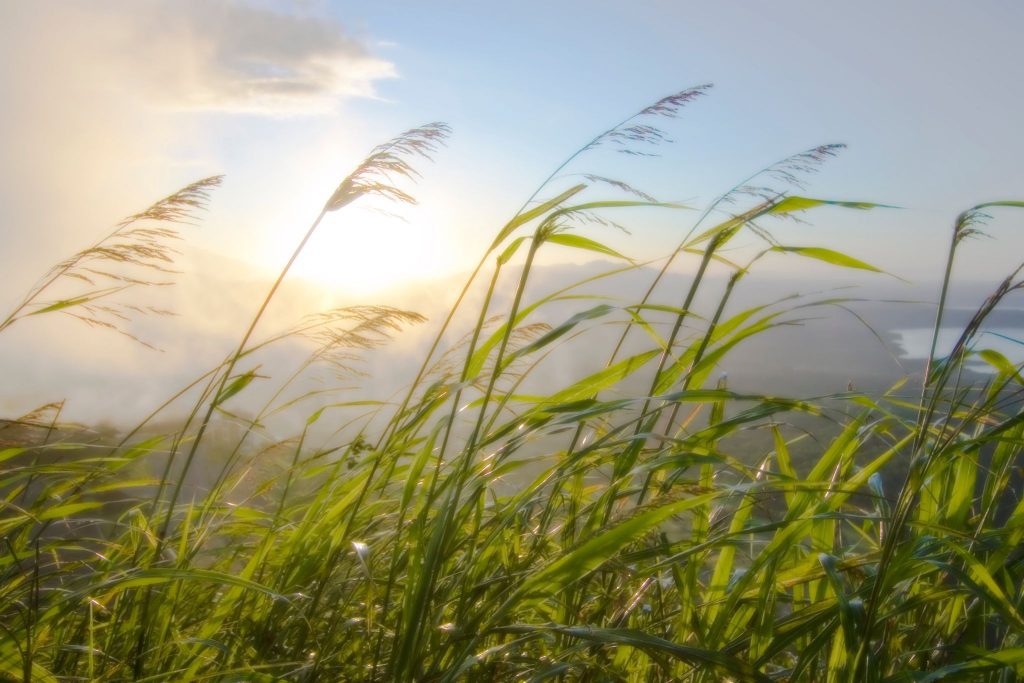
Grass, leaves, sage, dust, loose dirt, and snow all show wind direction if you slow down and read them.
Look close to the ground, too. Your scent often travels through low air as you kneel, crawl, or tuck behind brush. In open mule deer hunting country, small ground-level clues give you a better read than the wind you feel on your face.
4. Check your breath in cold weather
When your breath is visible, exhale slowly and watch where it moves. This works well on cold mornings, in late evenings, and during winter hunts.
Your breath only shows close-range wind, so confirm with another method before making a bigger move.
5. Use smoke during scouting
Smoke shows how wind moves across a larger area. It may reveal swirls, pulls, and terrain effects that are hard to see with powder or grass.
This method is best for preseason scouting or learning how a property handles wind. Use it only in safe, legal conditions, and avoid smoking in dry conditions, high winds, or during fire restrictions.
6. Use a lighter carefully
A lighter flame indicates the immediate wind direction, but it should be used only as a backup. The flame will lean with the wind, showing what the air is doing right next to you.
It doesn’t show long-distance drift, and it’s a poor choice in dry country, high wind, or any area with fire restrictions.
7. Check a weather app
A weather app helps you understand the bigger wind pattern before you leave camp. It shows direction, speed, gusts, temperature changes, and incoming weather.
Use the app to decide where to start, then confirm everything on the ground. Forecasts don’t always match what happens inside basins, timber, draws, and broken ridges.
8. Use the wet-finger method
Wet your finger, hold it up, and feel which side gets cooler first. The cooler side usually faces the wind.
This method is better than guessing, but it’s one of the least precise options. Use it when you don’t have anything else handy.
How thermals affect wind direction
Thermals are air currents caused by temperature differences between the ground and the air. As the sun warms a slope, air often rises. As the evening cools, the air often drops and pulls downhill.
That shift changes your approach fast. Morning thermals may pull scent downhill, midday air may swirl, and evening thermals often fall again as shaded slopes cool. In mule deer hunting, that sends your scent into a basin, draw, or bedding cover before you realize the wind has changed.
Common wind mistakes deer hunters make
- Checking wind once: Wind changes with elevation, temperature, cover, and terrain, so one early read won’t last all morning.
- Trusting the app too much: Forecasts help with planning, but field clues tell you what’s happening in the country you’re hunting.
- Taking the easiest route: The shortest path may carry scent into bedding cover before you get close.
- Ignoring thermals: Morning and evening air movement changes a stalk once you drop elevation.
- Forcing a bad-wind stalk: A visible buck doesn’t mean the stalk is ready. Hunting the wind sometimes means waiting, circling, or backing out.
The benefits of reading wind direction well
- Better glassing spots: Wind direction helps you choose places where your scent won’t drift into the country you’re watching.
- Cleaner approach routes: Reading the wind helps you avoid routes that carry scent into bedding cover, feed, or travel areas.
- Smarter stalk timing: If the wind is wrong, slowing down or waiting may protect the opportunity for later.
- Better use of crosswinds: A good crosswind gives you a cleaner angle without sending scent toward deer.
- Fewer burned spots: Wind awareness helps you avoid pushing deer out of good country before you ever see them.
- Stronger field decisions: For mule deer hunting, wind awareness helps you hunt the country in front of you instead of forcing the plan you had at camp.
Tools to keep in your pack
A few simple items make wind checks easier:
- Wind checker
- Milkweed or other legal, appropriate floaters
- Weather app with hourly wind
- Lightweight gloves that still let you handle gear
- Good optics, so you plan a route before moving
- Map app to study ridges, drainages, and elevation changes
FAQ
How often should you check wind direction while deer hunting?
Check the wind before moving, after changing elevation, before glassing, before starting a stalk, and anytime the wind feels different. One check at the truck isn’t enough.
Should the wind be in your face while deer hunting?
Usually, yes. Wind in your face or quartering toward you helps carry your scent away from deer. A crosswind also works if it keeps scent out of bedding cover, feeding areas, and travel routes.
Is hunting the wind more important than scent control?
Scent control helps with discipline, but it doesn’t replace wind strategy. Hunting the wind should guide your setup, approach, and timing, because it determines where your scent travels.
What is the best tool for checking wind direction?
A wind checker or milkweed is usually the most practical option. A weather app helps with planning, but it doesn’t replace field checks once you’re in broken terrain, timber, basins, or drainages.
Does wind direction change during a guided mule deer hunt?
Yes. Wind shifts with elevation, temperature, terrain, and weather. On a guided mule deer hunt, the final approach should adjust to the wind in the moment.
Plan your next mule deer hunt with R&K Hunting Company
A better hunt starts with reading the country in front of you. Wind direction, thermals, access, pressure, and timing all shape the plan once the hunt begins. The more you understand the wind, the better decisions you make before you move, glass, or stalk.
If you’re planning a guided mule deer hunt in Utah or Wyoming, R&K Hunting Company can help you talk through terrain, dates, expectations, and the kind of hunt that fits you. Contact R&K to start planning your next mule deer hunting trip.