The off-season is one of the best times to get ready for fall. Hunters can use it to build a better hunting season schedule, improve hunting practice, scout new country, and work through a hunting gear checklist before things get rushed. The more you do now, the better prepared you’ll be when the season opens.
Why the off-season matters before fall
A lot of hunters don’t get serious until they draw tags or opening day gets close. That approach usually leads to rushed planning, missed details, and problems that hunters could’ve handled months earlier. The off-season gives you time to get in shape, clean up your shooting, check gear, study your hunt plan, and fix weak spots from last year.
It’s also when you can get organized without the pressure of a hunt right around the corner. If you want a better fall season, this is the time to do the work that helps you hunt with more confidence and fewer surprises.
Why the off-season matters for hunters
The off-season is when a lot of good hunts really begin. It gives hunters time to slow down, assess what needs work, and prepare without rushing through everything a week before the season.
This is the time to get honest about what happened last year. Maybe you were underprepared physically. Maybe your shooting wasn’t where it needed to be. Maybe your gear failed, or you spent a lot of time trying to figure out where to start. Those are all things you can improve before the next hunt.
The off-season also helps hunters stay ahead of deadlines, build a better hunting season schedule, and handle the details that often get overlooked when life gets busy. That includes applications, travel plans, gear replacement, scouting, and time on the range.
How to use the off-season to prepare
1. Review last season
Look at what worked and what didn’t. Think about where you lost time, what gear gave you problems, how your conditioning held up, and whether your shooting was where it needed to be.
2. Build your hunting season schedule
Get organized early. Put application deadlines, draw dates, season dates, travel plans, and time off work in one place so you’re not scrambling later.
3. Get in better shape
If your hunt involves hiking, climbing, or packing weight, conditioning matters. Use the off-season to build strength, endurance, and recovery through steady work.
4. Work on hunting practice
Use the off-season to improve your shooting without rushing. Practice from realistic positions, work on effective distances, and focus on consistency.
5. Scout and e-scout
Study access, terrain, bedding cover, feed, water, glassing points, and backup areas. The more familiar you are with the country, the less guessing you’ll do when the season opens.
6. Work through a hunting gear checklist
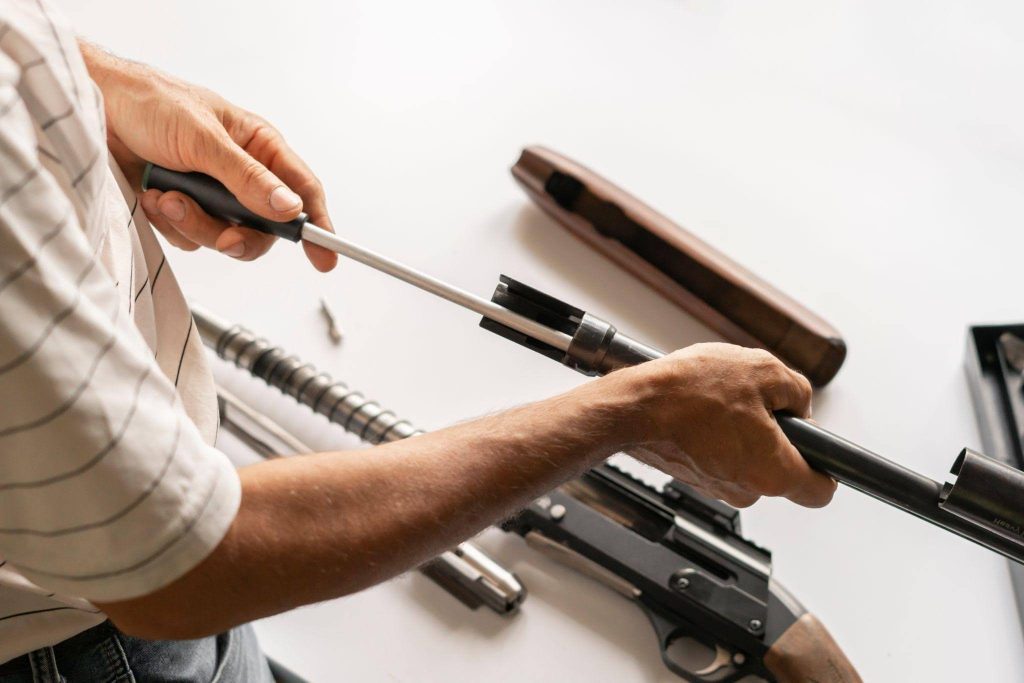
Check boots, packs, optics, layers, weapons, ammo, arrows, and field essentials. Replace worn gear early and test anything new before the season.
7. Plan for meat care and pack-out
Think through game bags, coolers, knives, pack-out routes, and how you’ll handle recovery if the hunt goes right.
8. Book early if you want a guided hunt
If you’re considering a guided hunt, the off-season is a good time to ask questions, compare options, and get dates on the calendar.
What good off-season prep looks like
A lot of hunters know they should do more in the off-season. The difference is actually following through. Getting in shape early helps you handle steep country, longer days, and heavier loads when fall gets here. Building a real hunting season schedule also keeps you ahead of deadlines, travel plans, and time off.
The same goes for shooting, gear, and scouting. Steady hunting practice builds confidence before the season starts. Going through a hunting gear checklist early gives you time to replace worn gear, test new gear, and fix problems before they show up in the field. Studying the country, checking access, and building backup plans also make it easier to adjust when conditions change.
Why off-season work pays off in the fall
Off-season work helps because it puts hunters in a better spot before the season starts.
- It helps you go into fall more organized.
- It improves confidence before opening day.
- It reduces gear problems and last-minute scrambling.
- It helps you stay on top of your hunting season deadlines.
- It improves fitness for longer days and harder country.
- It sharpens consistency through regular hunting practice.
- It makes your hunting gear checklist more useful before the season gets close.
- It gives you more time to build a realistic plan rather than forcing one together at the last minute.
Common off-season mistakes hunters make
A lot of hunters know what they should do in the off-season, but they put it off for too long.
- Waiting until late summer to start: The off-season works best when you use it early.
- Ignoring fitness: If the hunt requires hiking, climbing, or carrying meat, conditioning is important to keep up with your quarry.
- Doing very little shooting: Weak hunting practice in the off-season usually shows up when it matters most.
- Skipping scouting or map work: Learning the country ahead of time saves time during the hunt.
- Not updating a hunting gear checklist: Worn, missing, and untested gear can all become avoidable problems.
- Forgetting deadlines: A poor hunting season schedule can lead to missed opportunities, rushed travel, or weak planning.
- Assuming last year’s plan will still work: Conditions change, and good hunters adjust.
Off-season research and planning resources
Off-season prep may seem basic, but it’s one of the best ways to head into fall more ready and with fewer surprises.
- Mountain hunts take more physical preparation than many hunters expect: Backcountry and Western hunts demand endurance, strength, and recovery.
- Weather, access, and changing conditions make flexible planning important: Hunters who plan early are usually better prepared to adjust when conditions shift.
- Steady shooting work matters more than last-minute range time: Consistent off-season hunting practice usually does more good than trying to rush.
- Starting your hunting gear checklist early helps prevent in-season problems: Going through gear ahead of time gives you time to replace worn items and fix issues.
Tools and recommendations for off-season prep
A few simple tools can make off-season prep easier and more organized.
- Calendar or planner: Use it to build your hunting season schedule and keep track of deadlines, season dates, and travel plans.
- Digital maps and satellite imagery: Good for access, terrain study, and backup hunt plans.
- Notebook or app for scouting notes: Keep one place for observations, ideas, and changes.
- Range plan: Build a steady hunting practice routine instead of shooting at random.
- Physical training plan: Hiking, strength work, and pack training all help.
- Hunting gear checklist: Keep an updated list of gear to inspect, repair, replace, or test before fall.
- Pack-out and meat-care plan: Know how you’ll handle recovery before the hunt starts.
- Outfitter contact list: If you’re thinking about a guided trip, the off-season is a good time to reach out and plan.
FAQ
What should hunters focus on first during the off-season?
Start by reviewing last season and figuring out where you need the most improvement. That might mean fitness, shooting, a better hunting season schedule, or getting gear in order early.
Why is a hunting season schedule important?
A hunting season schedule helps you stay on top of deadlines, season dates, travel plans, and time off. It also keeps the season from feeling rushed.
How often should hunters do hunting practice in the off-season?
Consistency matters more than volume. Regular hunting practice usually helps more than a rushed push right before the season starts.
What belongs on a hunting gear checklist?
A hunting gear checklist should include boots, packs, optics, clothing layers, weapons, ammo or arrows, calls, navigation tools, and field essentials. It should also track what needs repair or replacement.
Is the off-season a good time to book a guided hunt?
Yes. Availability is usually better, and you have more time to ask questions, get organized, and build a solid plan before fall gets busy.
Prepare now for a better fall with R&K Hunting Company
A better fall hunt usually starts long before opening day. If you use the off-season to improve your conditioning, build better habits, stay on top of your hunting season schedule, and work through your gear and planning, you’ll be in a much better spot when the season gets here.
If you’re thinking ahead to your next hunt, contact R&K Hunting Company to learn more about upcoming opportunities and start planning early.