
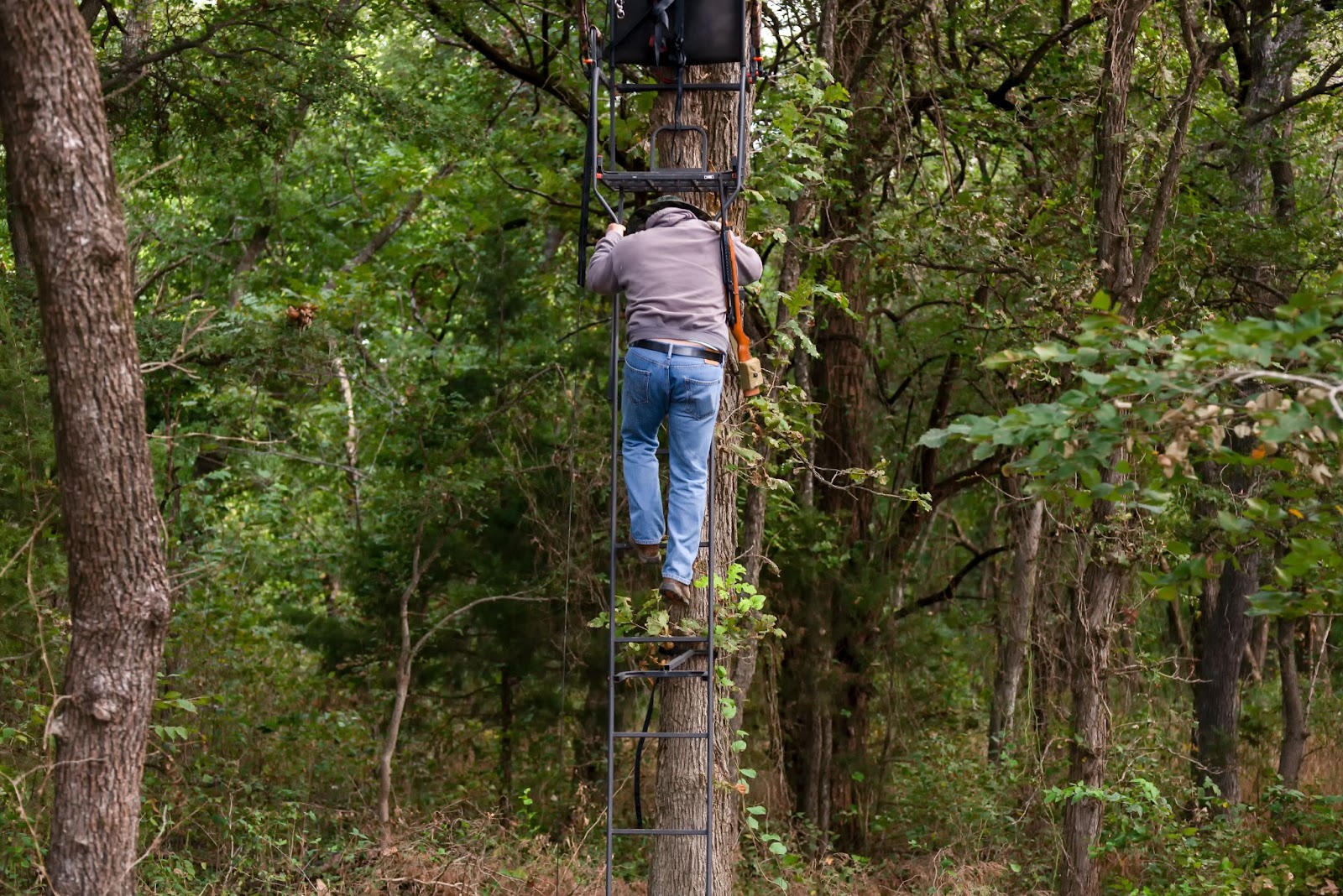
A successful season starts with smart scouting and the right setup. The best stand locations let you hunt the wind, climb in quietly, and stay safe while keeping clear shooting lanes. Use these hunting tips to choose a healthy tree, plan entry and exit routes, and place tree stands for hunting where deer naturally travel.
Find the spot that puts deer in range
Before the hunting season even begins, a successful hunt starts with finding the best location for your tree stand. A few details make the difference between seeing deer and watching them slip away.
In this guide, we’ll walk through proven hunting tips for scouting and selecting an ideal tree in a prime location, then setting up tree stands for hunting so you stay hidden and ready when it counts. We’ll also cover how guided hunts shorten the learning curve and help you lock in a stand plan that fits the country you’re hunting.
Why tree stand location matters
A tree stand won’t fix a bad spot. The right location does the work by controlling scent, limiting noise, and creating clean shot opportunities where deer already want to travel.
When you place tree stands for hunting well, you stay undetected longer and get better movement and cleaner chances. Guided hunts speed up the learning curve by helping you read patterns, terrain, and access routes with a proven plan.
How to pick the right stand location
Use this short process before you ever hang a stand. It’s one of the best hunting tips you can follow because it forces you to think like a deer and hunt like a planner.
- Identify travel corridors like funnels, edges, trails, and pinch points.
- Confirm prevailing wind patterns and likely wind shifts.
- Plan entry and exit routes that avoid bedding and feeding areas.
- Choose a safe, healthy tree that gives cover and concealment.
- Set height and orientation toward your most likely shot window.
- Clear only what you need for clean shooting lanes.
- Do a quiet test climb and fix any noise issues.
- Build a backup location for shifting wind or pressure.
This process helps you find stand locations that hunt well all season.
1. Wind patterns
Before you hang a stand, study the wind. Deer rely on their nose, and if you ignore wind direction, you lose the hunt before it starts. A perfect setup fails fast if your access route pushes scent into bedding areas.
Wind shifts, especially in timber and drainages. Morning and evening thermals change direction, and swirling air betrays you even on a calm forecast. Use a wind checker or milkweed to confirm conditions at stand height before placing tree stands for hunting.
2. Stay silent
Deer rely on hearing as much as scent, so choose a tree that lets you climb quietly and a setup that doesn’t clank or creak. Fix metal-on-metal noise, loose straps, and noisy steps before the season starts.
Plan a quiet approach, too. Avoid crunchy leaves and deadfall, and move with purpose. When you set up tree stands for hunting in a quiet tree and enter silently, you keep the surprise that leads to close, ethical shots.
3. Safety first
Safety should always be your number one priority. When selecting a tree, make sure it is alive, healthy, and strong enough to hold you and your stand. Healthy trees won’t have peeling bark or dead or partially colored leaves, and they won’t feel hollow or unstable. Clear dead branches around you, especially overhead, and avoid trees with visible rot.
Then take safety seriously every time you climb. Use a harness. Use a lifeline if you can. Keep three points of contact, and never climb in icy or windy conditions that make you rush or lose footing. A stand location is never worth an injury.
4. Set up early
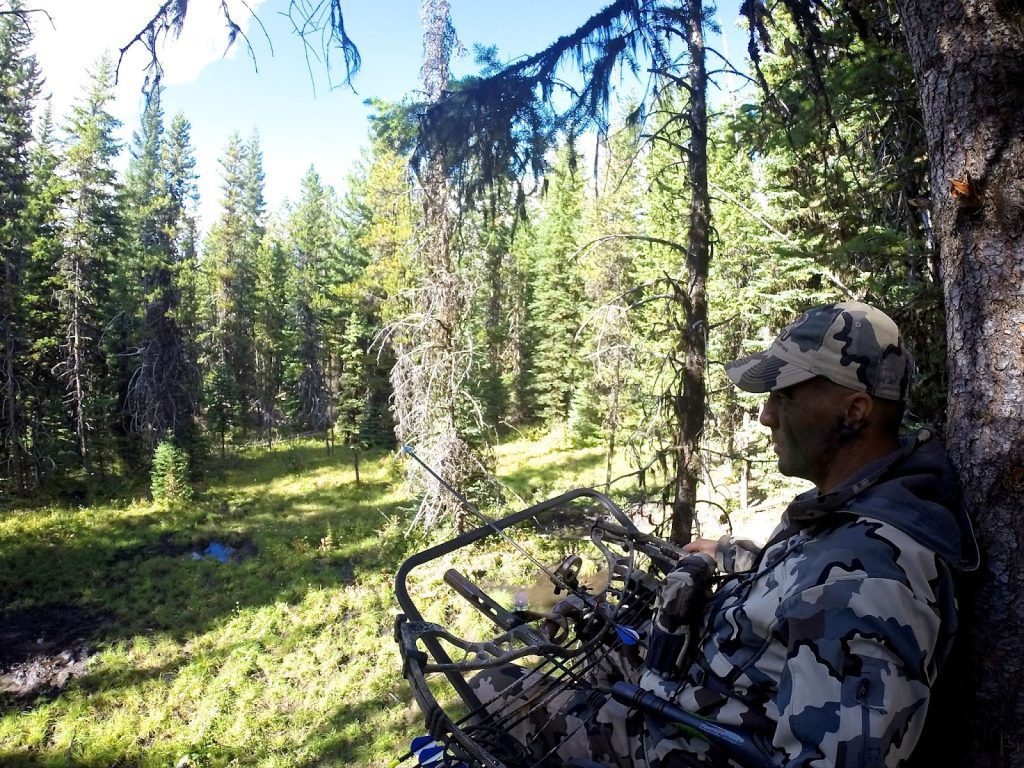
Set your stand early to boost your odds. Hanging it before the season lets deer return to normal patterns after the disturbance.
Remember, summer cover changes fast. A leafy July setup feels exposed once fall drops the foliage. Recheck visibility before the season. On guided hunts, careful preseason planning keeps intrusion low and the area productive.
5. Clear your view
Ideally, you’ll find a tree with a large, open portion, but it’s unlikely you’ll find a perfect 360-degree view. Once you’ve found the best spot, don’t be afraid to trim your shooting lanes. Do your best not to be heavy-handed. Remove only what you need, and preserve the surrounding cover.
Focus on a few high-probability lanes rather than trying to clear everything. Trim for the shots you’re most likely to take, and practice drawing or shouldering your rifle at stand height so you know what branches actually matter. These hunting tips help you avoid over-trimming and creating an unnatural “hole” that deer notice.
6. Plan your access like the hunt depends on it
Most blown setups happen on the walk-in. You pick the perfect tree, but one bad access route alerts every deer in the area.
Plan your entry with the wind in mind. Avoid bedding and feeding areas, and maintain consistent pressure. On guided hunts, smart access planning protects the area and makes hunting tree stands far more effective.
7. Choose the right height and cover
Height isn’t a magic number. The right height depends on cover, shot angles, and how visible you are from likely approach routes. Some hunters climb too high and create bad angles, or they move too much to see through branches. Others sit too low and get picked off by deer watching the base of the tree.
Choose a height that keeps you hidden and keeps your shot lane clean. Use natural cover behind you if possible. Break up your outline.
8. Build a backup stand for shifting wind
If you hunt one stand regardless of wind, you’ll educate deer. Build at least one backup location for a different wind direction or a different movement pattern. That gives you options when the forecast changes, and it helps you keep pressure low.
Think of your stands as a small system, not a single “best tree.” Rotate intelligently. Sit in the best stand when conditions match. Use the backup when wind or access demands it. This is one of the most practical hunting tips for staying consistent throughout the season.
Benefits of a well-placed tree stand
When you put the work in early, the hunt feels easier later.
- You stay undetected longer, resulting in more natural deer movement
- You get cleaner shot opportunities
- You reduce pressure with smarter access and exit routes
- You sit confidently because the conditions match your plan
- You get more value from tree stands for hunting because you hunt them strategically
Common mistakes to avoid
Most stand mistakes are avoidable if you slow down and plan.
- Ignoring wind on entry and exit
- Hanging a stand too late and over-pressuring the area
- Over-trimming lanes and making the tree look unnatural
- Choosing an unsafe tree or skipping safety gear
- Hunting the same stand regardless of wind direction
- Letting gear noise ruin your approach
- Forgetting to plan a backup location
These hunting tips work best when you apply them consistently.
Data and research insights
Stand strategy should reflect biology and safety data:
- Deer rely first on scent and hearing, which is why wind control and quiet access matter most.
- Human intrusion shifts deer movement, especially near bedding areas.
- Most treestand injuries occur while climbing, not sitting. Harness use is critical.
Tools and products that help
A few basics make stand placement easier and safer.
- Wind checker or milkweed
- Mapping app with offline maps
- Rangefinder
- Hand pruners and a small saw
- Harness and lifeline
- Quiet straps and gear hooks
- Trail cameras where they’re legal
- Reflective tacks or a GPS pin for safe, quiet access in the dark
On guided hunts, you’ll often see how small tools improve decision-making when you’re picking and using stand locations.
FAQ
How do I choose the best tree for a stand?
Pick a healthy, solid tree that supports your weight and offers concealment. Make sure the wind and access route match how deer move through the area.
How high should my tree stand be?
There’s no perfect height. Choose one that gives concealment and good shot angles without limiting visibility or movement.
How do I hunt shifting winds from a stand?
Use a backup stand for opposite winds and rotate as conditions change. Always match your setup to the wind you have that day.
How early should I hang tree stands for hunting season?
Hang them early so deer return to normal patterns. Recheck the cover before the season since foliage changes.
Are guided hunts worth it for learning stand setups?
Yes. Guided hunts help you understand movement, wind, access, and safe stand habits much faster.
Book your next hunt with R&K Hunting Company
Finding the best tree stand location takes dedication and determination, but the right plan makes it repeatable. Hunt the wind, stay silent, stay safe, set up early, and keep your view clear without over-trimming. If you want more pro-level hunting tips and real help scouting and setting stands, book your next trip with R&K Hunting Company. Our team runs guided hunts built around smart preparation, solid tactics, and the kind of details that put you in position when it matters most.