
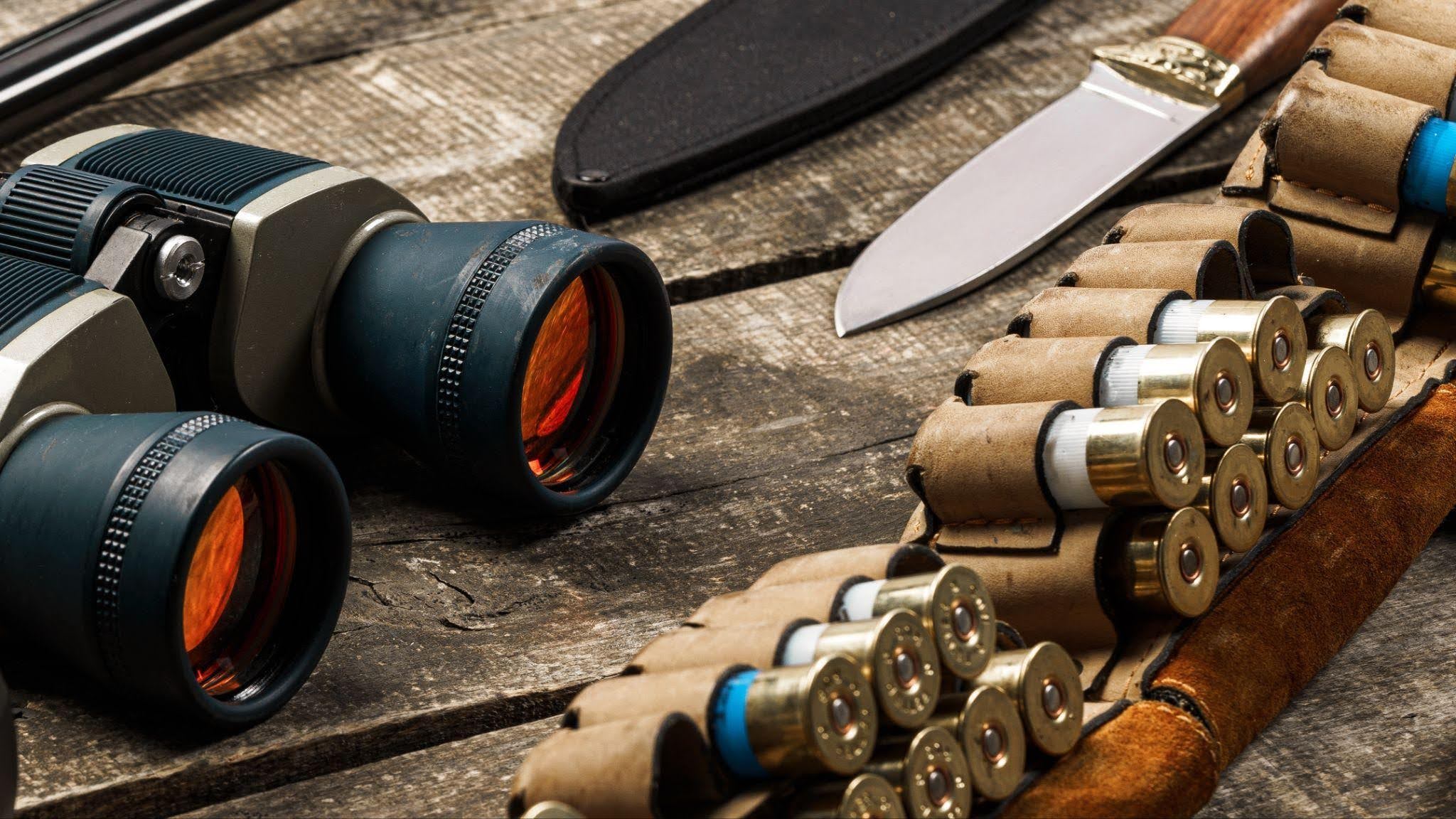
A pre-hunt checklist helps you arrive ready for the conditions you’ll face. Your hunting trip checklist needs to cover legal requirements, field-tested equipment, and the plan for getting an animal out. It also helps you confirm what the outfitter handles before you start packing.
Prepare before the hunt gets close
A good hunt usually starts before the season opens. Small oversights get harder to fix once you’re on the road. A missing tag can stop the hunt before it begins, while new boots can wear down your feet during the first long day. This hunting packing list helps you prepare without having to bring everything you own.
What a complete pre-hunt checklist covers
A useful hunting gear checklist starts with the hunt itself. Your species, season, and terrain determine what you’ll need.
Start by confirming your tag and hunt dates, then use the unit regulations and your outfitter’s guidance to shape the rest of your plan. Then prepare for the physical demands by breaking in your boots and practicing your shooting positions.
How to build your hunting trip checklist
Several months before the hunt
Confirm your license and tag, then review the season dates. Start conditioning for the terrain you expect to hunt. Break in your boots during longer hikes and begin regular shooting practice from realistic field positions.
Two weeks before arrival
Inspect everything on your packing list. Replace weak batteries and make sure your optics are working properly. Confirm travel plans with your outfitter and review the expected weather so you can adjust your clothing.
The final 48 hours
Charge your electronics and download offline maps for the hunt area. Check the latest forecast, then verify that you packed your tag and license.
Secure your weapon for travel. Make sure your ammunition or arrows are packed correctly, then review your arrival time with the outfitter.
What belongs in your daily pack
Your daily hunting gear checklist needs to cover the essentials without turning your pack into a camp storage space.
- License and tag: Keep both protected and easy to reach.
- Water: Carry enough for the expected conditions and distance from camp.
- Food: Bring simple meals or snacks that you can eat in the field.
- Headlamp: Pack one even when you expect to return before dark.
- Backup light: A second light provides an alternative if the first fails.
- First-aid kit: Carry supplies for common injuries and minor field problems.
- Emergency shelter: A compact bivy or blanket can help during an unexpected night outside.
- Offline map: Download the correct hunt area before leaving camp.
- Satellite communicator: Bring one when cell service is limited or unavailable.
- Rangefinder: Confirm distances before taking a shot.
- Wind checker: Use it to track changing air movement.
- Knife: Keep a dependable field knife in your pack.
- Extra batteries: Bring backups for your lights and electronics.
- Rain shell: Keep it close when the forecast can change quickly.
- Fire-starting supplies: Pack a reliable way to start a fire in an emergency.
What stays at camp or in the vehicle
A hunting packing list becomes easier to use when you separate daily equipment from backup supplies.
Keep at camp
- Extra clothing: Store backup layers where they’ll stay clean and dry.
- Charging equipment: Keep chargers and power banks protected from moisture.
- Additional food: Leave extra meals and snacks at camp instead of carrying them all day.
- Personal supplies: Store toiletries and other nonessential items outside your daily pack.
Keep in the vehicle
- Weapon-cleaning tools: Leave them in the vehicle unless the hunt requires something different.
- Vehicle recovery gear: Check the spare tire and confirm that the jack works before leaving.
- Additional water: Carry enough for camp and for an unexpected delay on a remote road.
- Coolers: Have them ready before the hunt begins.
- Meat transport space: Leave enough room in the vehicle to bring the harvest home.
How the checklist changes by hunt type
Guided ranch hunt
A guided hunt may call for a lighter daypack because the outfitter often handles transportation and part of the recovery process. Confirm what the guide provides before packing extra equipment.
Backcountry elk hunt
A backcountry hunting trip checklist needs to prepare you for long stretches away from the road, with enough water to stay out and a clear plan for getting back if the day runs longer than expected. The pack-out plan also needs to account for the distance from the nearest road and the weight of each load.
Archery hunt
Add a backup release to the hunting gear checklist and inspect the bowstring before leaving. Confirm broadhead flight and make sure your sight marks match the distances you expect to shoot.
Rifle hunt
Confirm zero with the ammunition you’ll use during the hunt. Check the scope mounts and inspect the rifle before securing it in the case for travel.
Benefits of preparing early
Preparing early gives you time to fix problems before they follow you into the field.
- Catch missing gear: An early hunting packing list helps you notice what’s missing before travel begins.
- Test your equipment: You’ll have time to hike in your boots and confirm that your clothing works in realistic conditions.
- Avoid duplicate gear: Knowing what the outfitter provides keeps unnecessary equipment out of your pack.
- Carry a manageable load: Better planning helps you focus on what you’ll actually use each day.
- Give your guide better information: An honest conversation about your shooting comfort helps the guide build a plan that fits you.
Common pre-hunt mistakes
- Waiting until the final week: Late packing leads to rushed decisions and leaves little time to replace damaged equipment.
- Packing new boots: Untested boots can cause blisters early in the hunt. Wear them during training before the season.
- Assuming the outfitter provides everything: Hunt packages vary. Ask what’s included before you arrive and confirm who handles recovery.
- Carrying too much every day: A master hunting gear checklist doesn’t mean every item belongs in the daypack. Leave camp supplies and vehicle equipment where they belong.
- Skipping a plan for after the shot: Plan how you’ll recover the animal. Choose a processor in advance and decide how the meat will get home.
FAQ
What should every hunter carry each day?
Most hunters need water and food. They also need reliable navigation and a dependable light. Carry your required documents and basic emergency supplies.
What are the most commonly forgotten items?
Hunters often forget tags or ammunition. Archery releases and medication also get left behind. Add these items to the final section of your hunting trip checklist and physically confirm each one.
How early should I start preparing?
Start several months ahead when the hunt requires conditioning or regular shooting practice. Don’t wait until the final week to test boots or unfamiliar equipment.
What does an outfitter usually provide?
The answer depends on the package. Confirm lodging and meals. Ask how transportation works and who handles recovery. Never build your checklist around assumptions.
How do I avoid overpacking?
Separate daily items from camp supplies. Put vehicle equipment in its own section. Remove anything the guide already provides. Your packing list needs to support the hunt without unnecessary weight.
Plan your hunt with R&K Hunting Company
A complete trip checklist keeps preventable problems from following you into the field. It also helps you arrive with tested equipment and realistic expectations.
Contact R&K Hunting Company to talk through your hunt dates and expected conditions. The earlier you start, the more time you’ll have to build a plan that fits the hunt.