A hunting retreat blends focused time in the field with a smooth, comfortable experience, including lodging, meals, and a clear plan that removes guesswork. The best trips start with specific goals, realistic dates, and smart preparation. Booking guided hunts and organizing logistics early improves safety, confidence, and overall results.
A hunting retreat should feel simple
A good hunting retreat should feel simple: wake up, eat well, hunt hard, recover, and do it again the next day. That kind of trip only happens with a plan. Lock in the right season, choose terrain that fits your group, and handle travel, gear, and meat care before you hit the road.
This guide walks you through the process, including how to choose between mule deer hunting and wide-open country options like guided antelope hunts, so your retreat runs smoothly from day one.
Let’s dive in.
What a hunting retreat is, and why it works
A hunting retreat is a hunt with the details carefully planned. It combines a realistic plan with comfortable lodging, dependable meals, and logistics that keep you focused on the field, not the headaches. That structure matters whether you’re traveling solo or bringing a group.
This is where guided hunts fit naturally. A good guide shortens the learning curve, speeds up daily decisions, and adds local knowledge you can’t fake. Whether your retreat centers on mule deer hunting or you prefer the visibility and pace of guided antelope hunts, the retreat approach helps you get more out of every day.
The best retreats feel easy because the hard work happened before the season, not during it.
Step-by-step guide to planning the perfect retreat
Use this as a repeatable plan. If you follow these steps, your retreat will feel organized even when the weather or the animals do something unexpected.
- Choose the goal of the retreat: Start with the “why.” Trophy trip, meat hunt, first-time experience, or a yearly tradition — your goal sets the pace, terrain, and shot standards.
- Pick the species and season window: Match the hunt to your group. Guided antelope hunts work well for shorter trips and newer hunters.
- Select terrain that fits your crew: Be honest about fitness, altitude, weather swings, and how far you want to hike each day.
- Handle licenses, tags, and deadlines early: Paperwork drives the calendar. Plan around deadlines, and confirm unit rules and season dates.
- Choose the outfitter and trip style: Ask what the package includes, how the outfitter runs each day, and what they expect from you. With guided hunts, clarity up front prevents surprises.
- Build a realistic budget: Factor in tags, travel, lodging, gratuities, gear, and meat processing or transport.
- Set a simple prep timeline: Milestones at one month out and two weeks out keep rifles, optics, boots, and expectations on track.
- Lock in travel and logistics: Confirm arrival plans, gear transport, and your meat and cooler strategy before you leave.
- Run a flexible schedule: Have a plan for morning, midday, and evening, but stay ready to pivot with the weather and movement.
- Wrap it up right: Prioritize meat care, organization, and a clear plan for processing and transport.
Retreat styles that work every time
A great retreat aligns with the plan and the people. Here are three formats that consistently deliver.
First-time hunter retreat
Keep the pace steady and the plan simple. Open country helps beginners learn faster, which is why guided antelope hunts are a strong option for first retreats. Hunters get more spotting reps, clearer stalks, and better confidence.
Trophy-focused retreat
Glass longer, hike farther, and stay disciplined. Retreats built around mule deer hunting often follow a rhythm of early glassing, smart midday moves, and an evening push, with the group aligned on standards before day one.
Small-group tradition retreat
Prioritize consistency, comfort, and a smooth schedule. This is where guided hunts shine: they handle logistics and keep the group focused on the hunt and the experience.
Simple 3-day flow
Arrive and confirm gear, hunt hard for a full day, then wrap up with meat care and travel home.
Benefits of a retreat-style hunt
A retreat-style approach makes the hunt feel smoother without removing the challenge. It’s a better way to invest your time and money.
- You’ll spend more time hunting and less time troubleshooting.
- You’ll recover better with consistent meals, sleep, and pacing.
- Build the plan ahead of time, and you’ll make clearer daily decisions.
- Set clear expectations, and newer hunters will feel more confident.
- Everyone will share the schedule, which creates a stronger group experience.
- You’ll get a higher-quality trip, even when conditions are tough.
For many groups, guided hunts amplify these benefits because the guide handles the details that most hunters learn only after years of trial and error.
Common mistakes to avoid
Most retreats don’t fail because someone hunted poorly, but because the trip plan broke down.
- Picking dates before confirming seasons and tag requirements
- Underestimating terrain, elevation, and weather changes
- Skipping fitness prep and assuming adrenaline will carry you
- Not practicing real field shooting positions before the trip
- Overpacking, or packing layers that do not match the conditions
- Not aligning expectations across the group before day one
- Waiting too long to plan meat care, transport, and cooler space
If your retreat revolves around mule deer hunting, be careful about underestimating the physical cost of long glassing days and uneven terrain. If you’re planning guided antelope hunts, avoid the trap of thinking open country means easy hunting. Wind, distance, and shot discipline still matter.
Planning benchmarks that keep your retreat on track
You don’t need to plan perfectly. You do need to plan realistically.
- Planning window: Start three to 12 months out, depending on tags, travel, and group size.
- Fitness benchmark: Hike uphill with a pack at a steady pace, recover well, and repeat it the next day.
- Shooting benchmark: Confirm your zero, then practice prone, seated, and kneeling positions at ethical distances.
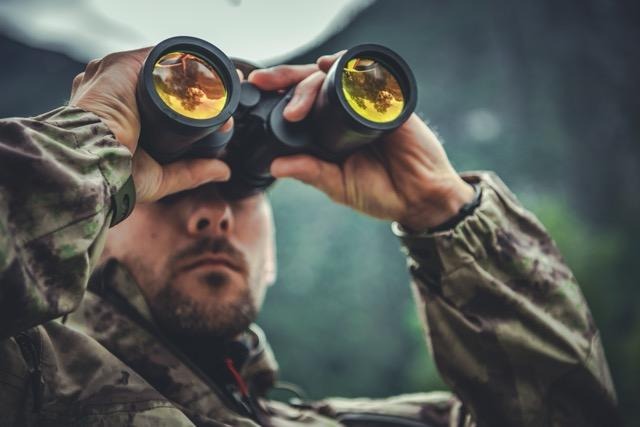
- Optics benchmark: Spend time behind glass before the trip. Good spotting saves miles.
- Weather benchmark: Pack a layering system that handles cold mornings, warm afternoons, and wind.
A retreat plan should also include a backup option. If a tag doesn’t work out or conditions shift, you want a plan that keeps the trip alive.
Tools and gear we recommend for a smooth retreat
A few tools make retreat planning easier and improve comfort in the field.
- Mapping app with offline maps and land boundaries
- Optics that match your hunt style, including binoculars and a rangefinder
- A stable tripod for glassing long distances
- Broken-in boots and a layered clothing system
- A hydration system that is easy to use while moving
- Small medical kit, blister care, and basic emergency supplies
- Headlamp with spare batteries
- Meat care essentials: game bags, cooler plan, and ice strategy
- Communication tool for remote areas when cell service drops
Good gear does not have to be expensive. It has to be proven. Test it before the retreat to ensure it will work during the retreat.
FAQs
What should be included in a hunting retreat package?
A quality retreat package usually includes lodging, meals, and a clear daily hunt plan. The best packages also set expectations upfront, including fitness requirements, gear lists, and how the guide will structure each day. Some retreats include field transportation and support for meat care logistics.
How far in advance should I book professional help?
Book early, especially when you want specific dates, or you’re coordinating a group. Many hunters plan months in advance to align schedules, handle paperwork, and prepare properly. Guided hunts also fill up, so locking dates early protects your entire plan.
Is mule deer hunting a good choice for a retreat?
Yes, especially if your group wants a challenging, scenic trip built around glassing and patience. Mule deer hunting rewards preparation and discipline, and it often pairs well with retreat-style planning because the days follow a predictable rhythm. Match the terrain to your group’s fitness.
What makes guided antelope hunts a strong retreat option?
Guided antelope hunts often work well for retreats because open country provides better visibility, faster spotting, and clearer stalking lessons. The pace is flexible, and groups learn a lot in a short window. Wind, distance, and shot discipline still matter, so prep remains important.
What gear matters most for comfort and success?
Start with boots, layers, and optics. If your feet hurt or you can’t regulate temperature, the hunt becomes a grind. Add hydration, blister prevention, and a plan for meat care. Test your gear ahead of time so you’re not troubleshooting on day one.
Western retreat reality check
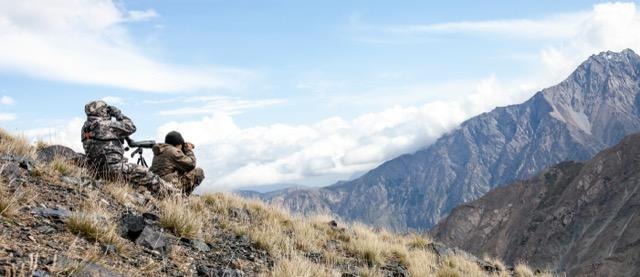
Western hunting retreats come with their own rhythm. Elevation hits harder than people expect, dry air sneaks up on hydration, and weather changes fast. Plan for cold mornings and warmer afternoons, and assume the wind will show up. Build extra time into travel, and pack a layering system that keeps your group comfortable even when conditions swing.
If your retreat includes mule deer hunting, prepare for long glassing sessions and uneven footing. If you plan guided antelope hunts, prepare for big skies, long sightlines, and the kind of wind that forces smart shot decisions.
Plan your hunting retreat with R&K Hunting Company
The perfect hunting retreat comes down to clear goals, smart dates, and preparation that matches the terrain. Plan early, train ahead, and keep your logistics tight so the hunt stays front and center.
If you want a retreat built around your goals, contact R&K Hunting Company. We’ll help you choose the right dates, set expectations, and build a trip that runs smoothly from day one.