Booking a nonresident mule deer hunt starts with picking the right state, season window, and hunt style, then lining up licenses, tags, and travel plans early. This guide lays out what to expect from mule deer hunting in Utah and Wyoming, what guided deer hunts typically include, and how to prepare so your trip runs smoothly from day one.
Plan your nonresident hunt the right way
Booking an out-of-state mule deer hunt is exciting, but it goes a lot smoother when you lock in the details early. The challenge is that tags, timelines, travel, and gear decisions stack up quickly, especially if you’re hunting a new state for the first time. The good news is you simplify the process by planning backward from the hunt window, choosing the right terrain, and asking questions.
Below, we’ll walk through how R&K helps nonresidents plan and book guided deer hunts, what to expect from mule deer hunting in Utah and Wyoming, and how to show up ready to hunt hard.
What nonresidents should know before booking
Nonresident planning comes down to three things: tags, timing, and travel. Handle those early, and everything else gets easier. Start by choosing your goal, because the right hunt depends on what you want out of the trip.
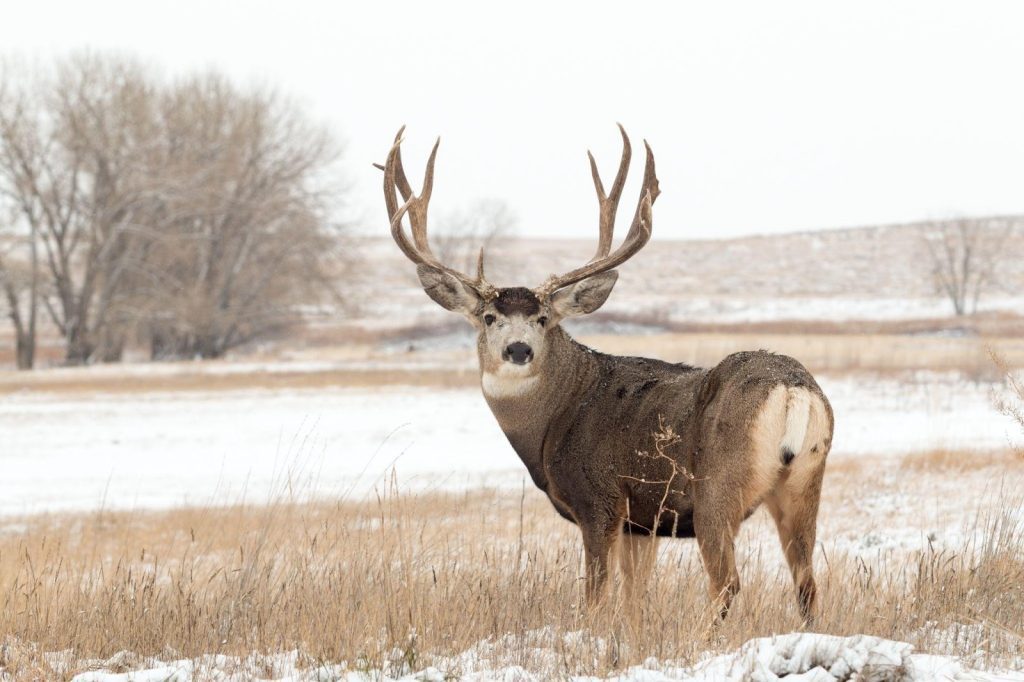
Terrain matters, too. Mule deer hunting in Utah often means elevation swings and glassing-heavy country, while mule deer hunting in Wyoming means wide basins, long sightlines, and steady wind. Guided deer hunts help nonresidents cut the guesswork, keep the plan realistic, and focus on hunting instead of logistics.
How to book your guided hunt with R&K
1. Choose your goal
Decide what matters most: trophy potential, a first-time experience, a hunt you repeat each year, or a specific weapon style and season window.
2. Pick the state and timeframe
Compare what you want from mule deer hunting in Utah versus Wyoming. Then, choose dates that fit your schedule and hunting style.
3. Plan your tag and license timeline early
Every nonresident trip starts here. Know what you need, when you need it, and what your backup option is if a draw doesn’t go your way.
4. Talk with R&K about hunt style and expectations
Be upfront about fitness, shooting comfort, and what “success” looks like to you. The best trips start with clear expectations.
5. Reserve your hunt window
Confirm what the package includes, what it doesn’t, and what your pre-trip timeline looks like.
6. Build a prep plan
Train for terrain, practice real field positions, and finalize your gear list so you’re not troubleshooting on day one.
7. Lock in travel and meat care logistics
Coordinate flights or driving, firearm transport if needed, and your cooler or processing plan for the trip home.
8. Finish with a pre-hunt brief
Confirm meeting points, daily schedule, weather plan, and any last-mile details so everyone starts on the same page.
The differences between hunting in Utah and Wyoming
First-time nonresident hunter who wants a smooth experience
If this is your first out-of-state mule deer trip, structure matters. Guided deer hunts keep the plan clear and the pace realistic, so you can focus on glassing, movement, and shot selection rather than access and daily logistics.
Trophy-focused hunter who wants a disciplined plan
Trophy trips require patience. Many hunters choose mule deer hunting in Utah for a glassing-heavy, detail-driven approach where standards are set early and the days run with purpose.
A hunter who wants an open-country strategy and big sightlines
If you prefer big basins and long-range glassing, mule deer hunting in Wyoming often fits. This style leans on optics, wind awareness, and smart stalk planning, with a different rhythm than mountain country.
Benefits of guided deer hunts
Nonresident hunting is more enjoyable when the plan is tight. Here’s what guided deer hunts typically improve:
- Less guesswork on where to glass, when to move, and how to adjust to conditions
- Safer decisions in unfamiliar terrain, weather swings, and long days
- Stronger logistics around meeting points, daily plans, and extraction strategy
- Clear expectations on pacing, shot selection, and what success looks like
Common mistakes to avoid
A few avoidable mistakes cause most nonresident stress.
- Booking travel before confirming your tag plan: Handle paperwork first, then lock travel.
- Choosing a hunt based on hype instead of terrain reality: Pick a plan that fits your fitness and style.
- Not practicing field shooting positions: Bench confidence doesn’t always translate to real angles and time pressure.
- Packing the wrong layers for fast-changing weather: Both states swing quickly, especially in the mornings and evenings.
- Skipping a meat care plan: Know your cooler strategy, processing options, and timelines before you arrive.
- Not clarifying what’s included: Before you book, confirm lodging, meals, transportation, and daily structure.
Data and research insights
You don’t need to turn planning into a math project, but you should use real information to set expectations. Look at harvest summaries, unit descriptions, and terrain realities. Then, choose a plan you commit to. A consistent strategy beats bouncing between options every year.
Also, remember that success often comes down to factors you control: fitness, time behind glass, shot discipline, and showing up with gear you know works.
Tools and recommendations
A few tools make nonresident planning easier:
- State wildlife agency pages: Licenses, tags, rules, and timelines
- Mapping with offline capability: Unit boundaries, access, and land ownership layers
- Weather tools: Planning layers and daily timing
- Optics essentials: Binoculars, a rangefinder, and a stable tripod for long glassing
- Meat care checklist: Game bags, coolers, and a plan for the trip home
- Questions to ask before booking guided deer hunts: What gear you need, daily pace, terrain expectations, and extraction planning
FAQ
How far in advance should I book a nonresident mule deer hunt?
Book as early as you can, especially if you want specific dates or a particular hunt style. Early booking gives you time to align tags and travel, build a fitness plan, and sort gear upgrades without rushing.
Is mule deer hunting in Utah better than mule deer hunting in Wyoming for nonresidents?
Neither is “better” across the board. Mule deer hunting in Utah often rewards glassing and patience in broken terrain, while mule deer hunting in Wyoming offers big sightlines and an open-country strategy. Choose the state that fits your timeline, fitness, and goals.
What’s included in guided deer hunts with R&K?
In most cases, guided deer hunts include a structured hunt plan, experienced field guidance, and clear expectations for pacing and strategy. During your booking call, confirm lodging, meals, transportation, and what to bring so there are no surprises.
What gear matters most for a nonresident mule deer hunt?
Prioritize broken-in boots, a reliable layering system, and quality optics. Add a pack that carries comfortably, a headlamp, blister care, and a simple meat care kit. Test everything before your travel day.
How do I handle meat care and transport as a nonresident?
Plan this before you arrive. Bring a cooler, know your processing timeline, and understand how you’ll transport meat home by vehicle or airline. Good meat care starts in the field and finishes with a clean, cold plan at the truck.
Utah vs. Wyoming planning notes
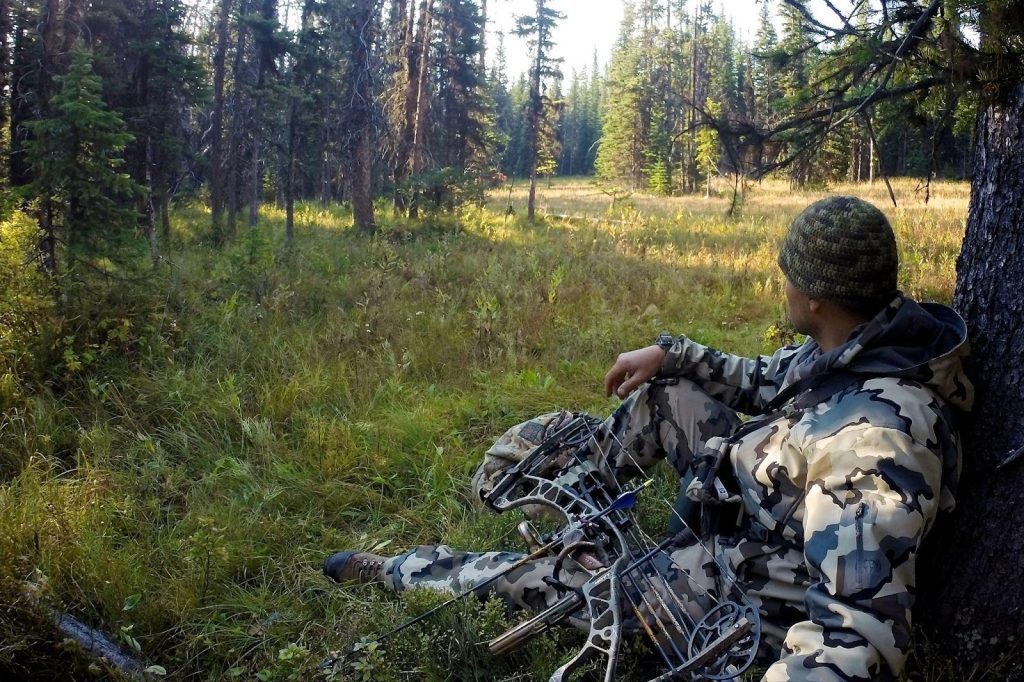
In Utah, expect more elevation swings, more terrain variety, and country that rewards patient glassing. In Wyoming, expect wide-open basins, wind, and long sightlines that make optics and stalk planning critical. Either way, build extra margin into travel, and plan for fast-changing weather.
If you’re comparing mule deer hunting in Utah and mule deer hunting in Wyoming, base the decision on the hunt style you enjoy most and the terrain your body and schedule can handle.
Book your nonresident mule deer hunt with R&K
A great nonresident hunt starts with a clear goal, a realistic plan, and enough lead time to handle tags, travel, and preparation without stress. If you’re ready to book guided deer hunts, R&K Hunting Company will help you choose the right state, set expectations, and build a trip that runs smoothly from day one.
Contact R&K Hunting today, and we’ll help you plan the right fit for mule deer hunting in Utah or mule deer hunting in Wyoming.