
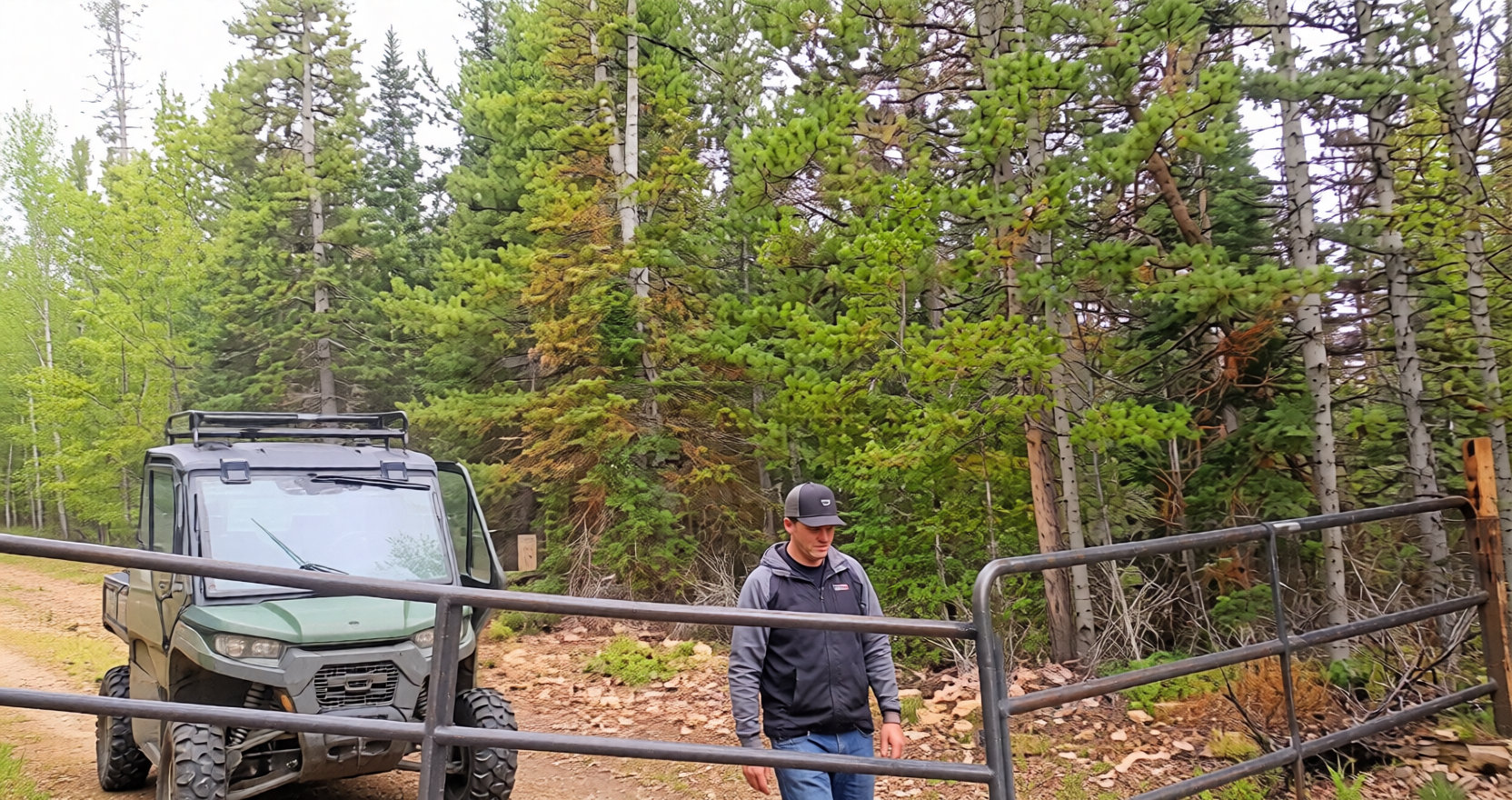
In Utah, Wyoming, and Idaho it is unlawful to use cellular-activated cameras for hunting. That does not mean they have no place on a ranch.
Cell cams are still a great tool for watching boundaries, roads, and gated access — trespassing and managing guides. Manual cameras are a great tool for game movement and trespassing.
I have been running about 60 Stealth Cams for the last three years, both cellular and manual. There is no need to spend hundreds of dollars per camera.

I bought a 10-pack of Stealth Cam Browtines off Amazon, complete with 32GB SD cards and batteries. I also picked up Sonic Pro 2-packs at Sam’s on sale for $65 a pack. Unlike the older Sonic cams, the new version has internal memory and double the battery capacity, which is a big plus. I was changing batteries in the older Sonic cell cams every two to three weeks.
For batteries I bought bulk Amazon Basics AAs — 450 batteries for $74 plus shipping.
If you plan on using cell cameras for security work in elk country, buy extra antennas. Sooner or later the cow elk will find them and bite them off.

How I split them on the ranch
Cellular cameras go on gates, roads, locked access points, and non-fenced but legally posted boundaries. That is security and operations — who came through, when they came through, and whether a guide is where they said they would be.
Recently, because of this corner-crossing fiasco, I have started placing them on legally surveyed corners where that kind of activity is likely to occur.
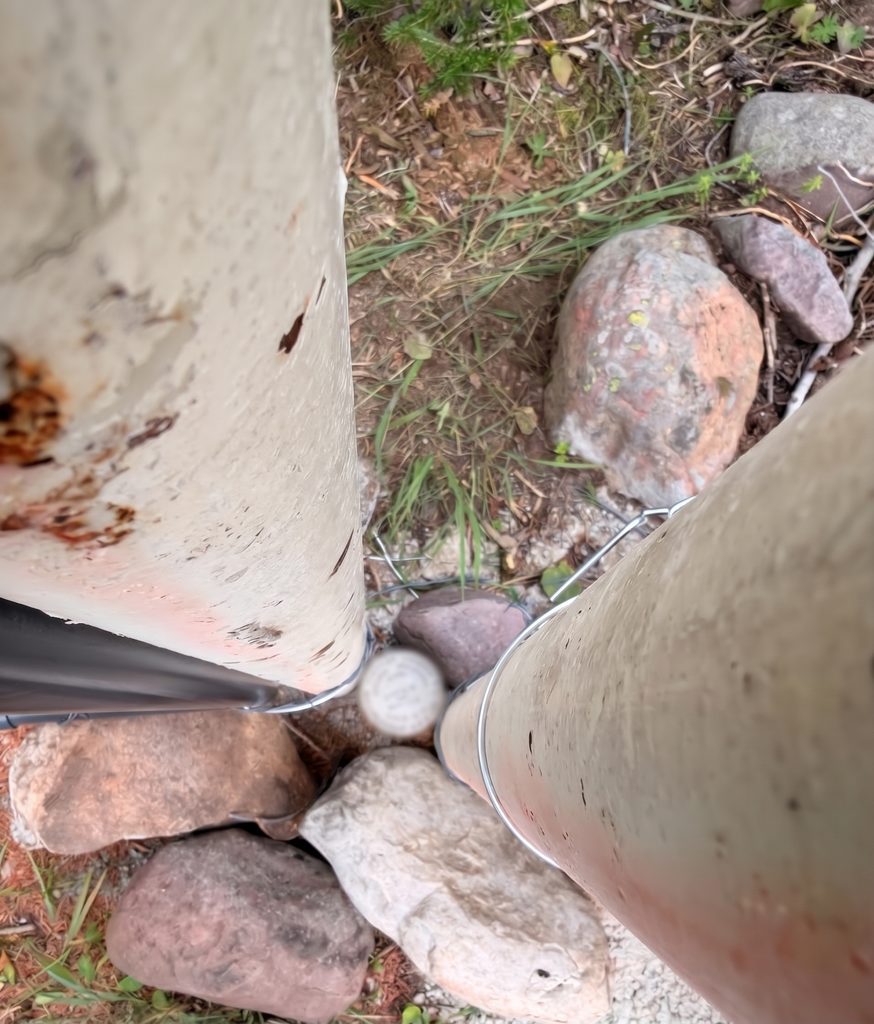
Manual cameras go on trails, pinch points, meadows, scrapes, wallows, watering holes, and any spot where trespassing has occurred or is likely. Set the resolution to at least 16 megapixels. If the meadow is large enough, I usually put one on each end and one in the middle so I am catching everything passing through.

How I keep 60 cameras straight
I use onX to label every camera location, manual or security. I name each one with the last four digits of the camera serial number. Then I make a folder for that camera’s photos.
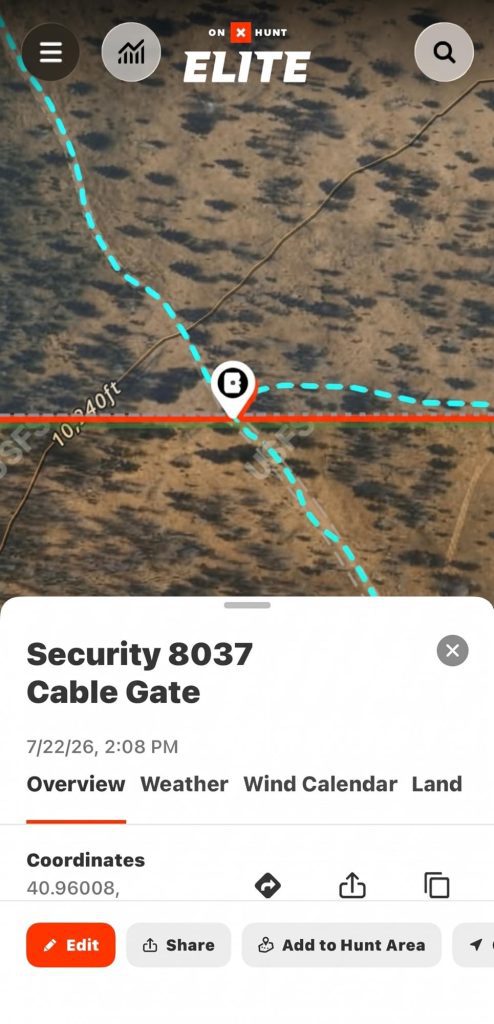
That keeps things organized. When a cell camera starts having issues — and some of them will, especially after about a year — you can look at the map, grab the right unit, go to the field, and replace it.
The two issues I have seen with Stealth Cam
Over the years the main problem has been the sensor. It will either quit taking photos or it will take photos nonstop. That second one gets annoying fast when the Command app is blowing up on your phone. That is another reason I label every camera with the last four of the serial number — so I can go pull the one that is acting up instead of guessing.
Data plans
I use the $5 plan, which gives you 600 pictures a month. If you set the cameras up right, you are unlikely to go over that. In areas with high vehicle traffic I spend $20 a month so I can have video and live feed when I need it.
That is extremely helpful for security, and for prosecuting trespassing and poaching.
Setting up the cameras — this is the tricky part
I like to place cameras on the south side of a meadow with the eye facing north. That helps keep the sun from shining straight into the lens and cuts down on the goofy shadows that trigger false photos.
On the cell cams, inside the Command app, I set the sensitivity to low, or one notch above low. The higher you go, the more false triggers you get.
I carry a pair of DeWalt 18-volt trimmers to cut branches out of the camera’s view. I also pull anything in the frame that moves in the wind. Use larger trees that sway less. You are still going to get some false photos. The trick is to keep the setup as normal as possible while still capturing the game or the intended target, depending on the use.
The Command app
The Command app works OK. I have not used another camera or app at this point, but it has some obnoxious features. My number one complaint is pausing a camera. That function is buried. You have to click Upgrade Plan first, then Pause — and even then it tries to only let you pause for a few months. If you want it paused until next season, you have to dig further into the menu. It has a lot of little quirks like that, all aimed at keeping you on a plan or selling you a plan you do not need.
What this is actually worth
Once you have it figured out, cell cams will save you thousands in security, keeping track of guides’ daily activity and whereabouts, and they give you the evidence you need when you have a trespassing or poaching problem — photo, GPS coordinates, and a time stamp.
Manual cameras, especially in heavy timber you cannot glass, will teach you more about the property than you can imagine. The batteries last two to three months, and you get the extra benefit of hiking around to collect the photos. That keeps you in shape, and you will find yourself getting in tune with country you used to write off.

The short version of the law
Utah: private landowners can use cameras to monitor the property for trespass and active agricultural operations. A transmitting camera is not allowed on private land for taking protected wildlife. An SD-card camera that does not transmit can be used on private land for that purpose. Official page: wildlife.utah.gov/trailcams
Wyoming: an SD-card camera that only stores images inside the unit is legal for taking big game. Real-time / cellular remote viewing is not legal when it is used to spot, locate, or aid the take of big game.
Idaho: transmitting cameras are restricted on government land for hunting and scouting big game in the fall window. Exceptions include livestock damage, and monitoring buildings or personal property to deter theft. Traditional SD cameras stay legal.
I am not a lawyer. Read the current regs before you hang anything. Rules have been moving.
If you would like more information on booking a hunt with us in Utah, Wyoming, Idaho, or Mexico, check out the website or give us a call. (435) 655-5484