
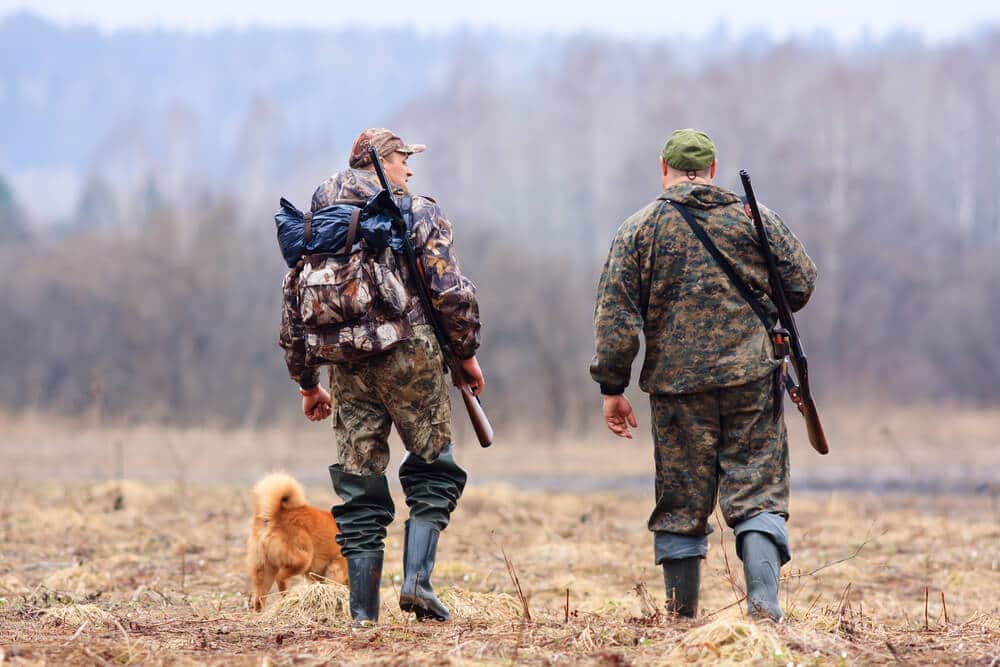
Hunting is an exciting way to connect with the outdoors, but for many beginners, getting started feels intimidating. With unfamiliar gear, new terminology, and a long list of rules and safety requirements, it’s easy to feel unsure of where to begin.
The good news is that every experienced hunter once stood exactly where you are now. The right guidance, proper beginner hunting gear, and a solid understanding of the basics build confidence and develop the skills you need for a successful first season. These beginner-friendly hunting tips will help you take those first steps with clarity and purpose.
Learn the different types of hunting
There are several types of hunting to try, ranging from small game to big game. What you choose depends on your interests, the equipment you have, and the region you plan to hunt in.
Hunters use various weapons — including rifles, shotguns, and crossbows — depending on the season and state regulations. Any animal legally pursued by hunters is known as “game,” and each category requires different techniques, gear, and preparation.
Here are some of the most common categories that new hunters should understand:
- Big game hunting: deer, elk, caribou, bear, boar, and bison
- Small game hunting: rabbits, squirrels, raccoons, and skunks
- Predator hunting: mountain lions, wolves, and coyotes
- Waterfowl hunting: duck, geese, and swan
- Furbearer hunting: pine marten, bobcat, foxes, and beavers
Understanding the differences helps you choose the right beginner hunting gear and the right hunt to pursue. Many beginners start with a small game. As your skills improve, you may branch into big game hunts, which often require more preparation, scouting, and physical endurance.
If you are unsure which hunt type fits your goals, consider asking experienced hunters or reaching out to guided hunt services for advice. These professionals work with all skill levels and help beginners understand how various factors, including species, behavior, terrain, and seasons, affect the overall experience.
Get your hunter safety card
Before you go on a hunt, you’ll need to earn your hunter safety card. Almost every state requires this certification. The requirement ensures that all hunters understand firearm safety, wildlife laws, ethical shot placement, and basic survival practices.
To be eligible for a hunter safety card, you must complete a state-approved hunter safety course. The course teaches you how to:
- Handle firearms safely
- Identify game species
- Understand legal hunting methods
- Navigate field emergencies
- Respect private and public land rules
This certification is valid in all states that require a hunter safety card. Best of all, you can complete most of the coursework online at your own pace. Taking the time to learn these fundamentals keeps you safe and builds confidence before your first big trip.
Invest in your gear
To be the most successful hunter possible, you’ll need to invest in adequate hunting gear. For beginners, selecting the right beginner hunting gear can be overwhelming due to the numerous options available. But you don’t need top-tier, high-priced equipment — you need reliable, durable items that match your hunting environment.
Here are key pieces of gear to prioritize:
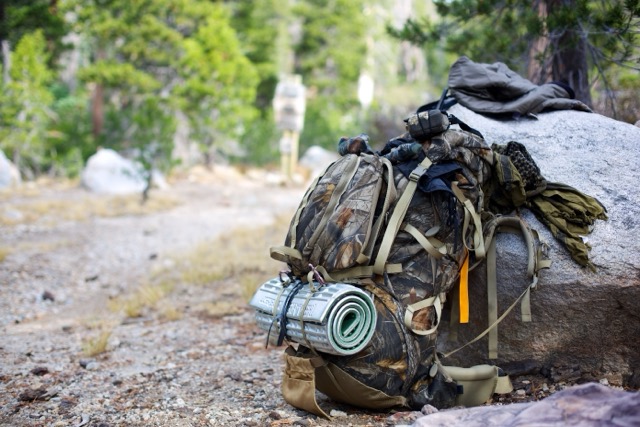
Backpack
Your backpack carries everything from layers to snacks to field dressing tools. Choose quality material and sturdy straps. You’ll rely on your pack for long hours in the field, and constant adjustments ruin your comfort and focus.
Hunting boots
Footwear is arguably the most important piece of hunting gear. A comfortable, insulated, waterproof pair of boots prevents blisters, reduces fatigue, and keeps you warm in cold temperatures. Poor footwear will end a hunt early, regardless of how well you prepared.
Calls and scent control
Calls help you lure animals such as deer and elk, but owning them isn’t enough. Practice until your calls sound realistic and consistent. Scent control is equally important because many game species rely heavily on their sense of smell. Scent killers mask your presence so your prey doesn’t spook.
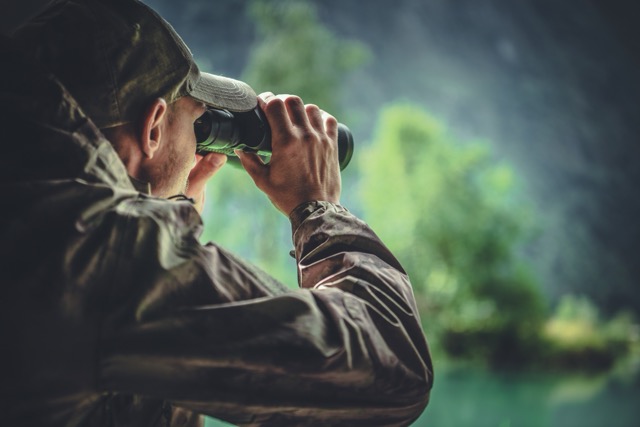
Optics
Binoculars help you spot game from long distances and assess terrain from ridgelines or elevated areas. Rangefinders provide the exact distance to your target, enhancing accuracy and ethical shot placement.
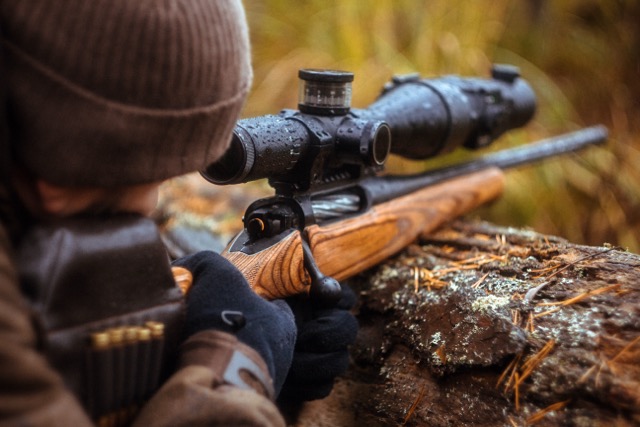
Weapon selection
Although you may already have a weapon of preference in mind, many beginners start with a rifle. Rifles offer more forgiveness and easier accuracy at distance compared to bows. As you gain experience, you can transition to bowhunting or other specialized methods.
Choosing the right beginner hunting gear helps build a foundation for success. If you’re not sure where to start, many guided hunt services offer gear recommendations or even provide equipment during your first trip.
Learn about scouting and terrain reading
Scouting is one of the most overlooked yet effective hunting tips for beginners, as it dramatically increases your success rate. Scouting involves exploring a hunting area before the season opens to locate areas where animals bed down, feeding zones, trails, and water sources. This information helps you predict movement patterns to set up in the right place at the right time.
Use tools such as topographic maps, satellite imagery, wildlife reports, hunter forums, and in-person visits to the area you plan to hunt. As you scout, pay attention to the direction of slopes, changes in vegetation, animal tracks, fresh droppings, rub marks, and bedding depressions. Even a single afternoon spent exploring the terrain teaches you far more than hours of reading online.
Know the regulations
Every state has its own rules governing hunting seasons, weapon restrictions, bag limits, and legal methods, and these regulations change from year to year. Before every hunt, take time to review the current season dates, legal shooting hours, weapon requirements, tagging procedures, mandatory check-in steps, and private land access laws.
Many beginners rely on guided hunt services to help interpret these regulations and avoid costly mistakes. Working with a guide ensures you stay compliant while gaining valuable hands-on experience in the field.
Practice patience and persistence
Hunting teaches patience like few other activities. You may sit for hours in the cold before seeing an animal. You may hear movement but never spot the source. You may wait for the perfect shot and never receive one. Accepting this reality makes the process more rewarding.
Consistency matters. The more you go out, the more you learn from the land, and the quicker your skills develop. Every hunt, successful or not, teaches you something new.
Practice makes perfect
It’s unrealistic to expect a perfect hunt on your first try. The first months of hunting are about observation, learning, and patience. Spend time studying the terrain, animal behavior, tracks, and environmental signs. Watch how animals move in the early morning and late evening. Learn how wind direction affects scent.
Experienced hunters will tell you that each hunt is different. Many hunts result in misses or encounters where you never raise your rifle to fire. Weather, wind, terrain, animal movement, and unpredictable variables all influence the outcome. Mistakes are normal, and you should give yourself grace as you learn and grow.
Field practice is equally important. Visit a shooting range regularly, adjust your sights, practice from seated and standing positions, and learn how to steady your weapon with improvised rests. The more familiar you are with your gear, the more confident you’ll feel during real encounters.
The value of guided hunt services for beginners
Beginning hunters often benefit immensely from spending time with experienced guides. While hunting independently has its appeal, guided hunt services can shorten the learning curve and help you develop safe and effective habits.
A knowledgeable guide will teach you proper field dressing techniques, explain animal behavior, help you navigate challenging terrain, enhance your tracking skills, and demonstrate how to use your beginner hunting gear effectively. They also reinforce ethical shot placement and responsible decision-making in real-time situations.
For many beginners, a guided hunt is the ideal introduction to real hunting scenarios, as it provides someone to support you, offer feedback, and ensure your safety. Some guided hunts even provide gear, allowing you to learn what equipment works best before making major investments.
Your first hunt with R&K Hunting Company
If you’re a beginner who needs the assistance of seasoned hunters, contact R&K Hunting Company to book your first trip. Our guided hunt services provide safety, education, and support for new hunters. Whether you’re learning how to choose beginner hunting gear or seeking personalized hunting tips from experts, we’re here to help you gain confidence in the field.
R&K’s experienced guides offer real-world instruction, hands-on practice, and access to prime hunting locations. With our team at your side, you’ll learn essential skills, build foundational techniques, and create lifelong memories in the process.