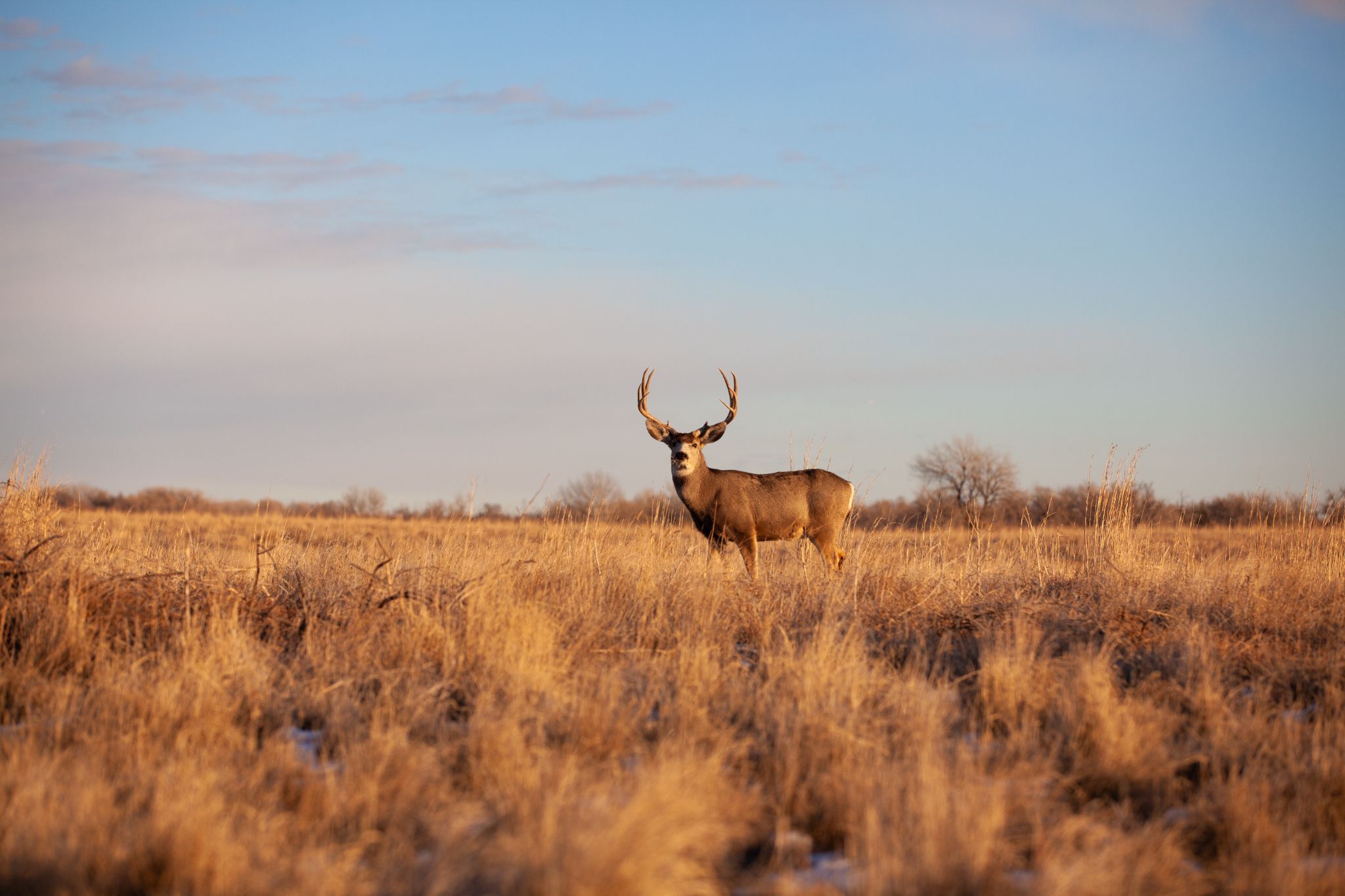
Hunting trophies are measured with standardized systems that add specific antler or horn measurements into a numerical score. Depending on the species, scorers measure features such as main beams, tine length, circumference, and spread. Boone and Crockett scoring provides North American hunters with a widely recognized system for consistently comparing those measurements.
How trophy expectations shape the hunt
A score gives hunters a shared way to describe antler or horn size, but it doesn’t have to define the hunt.
Some hunters start with a specific class of animal in mind. Others focus more on maturity or the opportunity in front of them. As part of your pre-hunt preparation, decide what you’re looking for before you enter the field. That makes it easier to communicate your expectations to your guide and to decide when an animal appears.
What does a hunting trophy score mean?
A trophy score turns a set of antler or horn measurements into one number. When a hunter talks about a 300-inch elk, the rack doesn’t measure 300 inches across. The score combines qualifying measurements from different parts of the antlers.
The Boone and Crockett system provides one of the best-known standards for North American big game. The exact formula changes by species, but the basic idea stays the same: measure defined parts of the trophy in a repeatable way instead of relying on appearance alone.
Why did hunters start measuring trophies?
Standardized scoring grew out of a need for consistency. The Boone and Crockett Club’s history of big-game records explains that the club began working toward uniform measurements for North American big game in the early 1900s. By the late 1940s, the club had also recognized the limits of ranking trophies based solely on judges’ opinions.
A special committee developed a more objective system, which Boone and Crockett adopted in 1950 after gathering outside feedback. The club also used trophy records to document big game and support wildlife management. That history explains why the system relies on repeatable measurements rather than appearance alone.
What measurements go into a trophy score?
The exact measurements depend on the animal. A Boone and Crockett scoring sheet guides the measurer through the required measurements for each species.
For a typical American elk, the official chart includes:
- Main beam length on each antler
- Length of qualifying points
- Circumference measurements
- Inside spread credit
- Abnormal points, which receive separate treatment
Those measurements add up quickly. Add the beams, tines, mass, and allowed spread credit, and a 300-inch or 350-inch score starts to make more sense. The number represents the combined measurements, not one measurement across the rack.
Hunters who want to see how the measurements fit together can review Boone and Crockett’s official scoring policies and procedures.
Points and inches aren’t the same thing
Point count describes antler structure. Score describes the measured size.
A 6×6 elk has six points on each antler under the common Western way of describing the rack. That description doesn’t tell you how long the points are or how much mass the antlers carry. It also leaves out the main beam length.
That’s why two 6×6 bulls may finish with very different scores. The same principle applies when learning how to score deer antlers. Counting points helps describe the rack, but it doesn’t replace actual measurements.
Gross vs. net score: Why might one trophy have two numbers?
Gross score generally describes the total qualifying antler measurements before deductions for differences between corresponding sides. Hunters often use gross score when they talk about how many antlers an animal carries.
Under the typical scoring rules, a final score accounts for differences between matching measurements on the left and right sides. Symmetry, therefore, affects the final typical score.
An animal may therefore have a gross score that’s higher than its final score. Boone and Crockett also requires a 60-day drying period before an official record-book measurement. A score taken before that period ends counts as a green score.
What do typical and non-typical mean?
“Typical” refers to the normal antler configuration recognized for that species under the scoring system. A typical score rewards a rack that closely follows that structure and shows symmetry between the two sides.
Non-typical growth includes qualifying abnormal points or unusual antler development. Instead of signifying that the animal has a bad rack, it means the antlers don’t fit the typical scoring pattern closely enough for the same treatment.
The Boone and Crockett scoring sheet handles those measurements according to the appropriate category. Boone and Crockett developed non-typical categories so racks with significant abnormal growth wouldn’t simply face heavy penalties under the typical system.
Do different animals get scored differently?
Yes. Elk, deer, moose, and pronghorn grow different types of antlers or horns, so scoring methods vary by species.
Elk scoring puts a lot of weight on beam and tine length. Deer use their own score charts. Moose and pronghorn require different measurements again. Boone and Crockett maintains separate instructions and score charts for the species and categories it recognizes.
Anyone researching how to score deer antlers should therefore start with the right species and category. A whitetail chart won’t give you the correct method for a mule deer.
Measuring a trophy and judging one in the field aren’t the same thing
After the hunt, a scorer has the rack in front of them and follows defined measurement points. In the field, you rarely get that kind of view.
A bull may stand several hundred yards away with part of its rack hidden. Angle and movement may also change what you think you see.
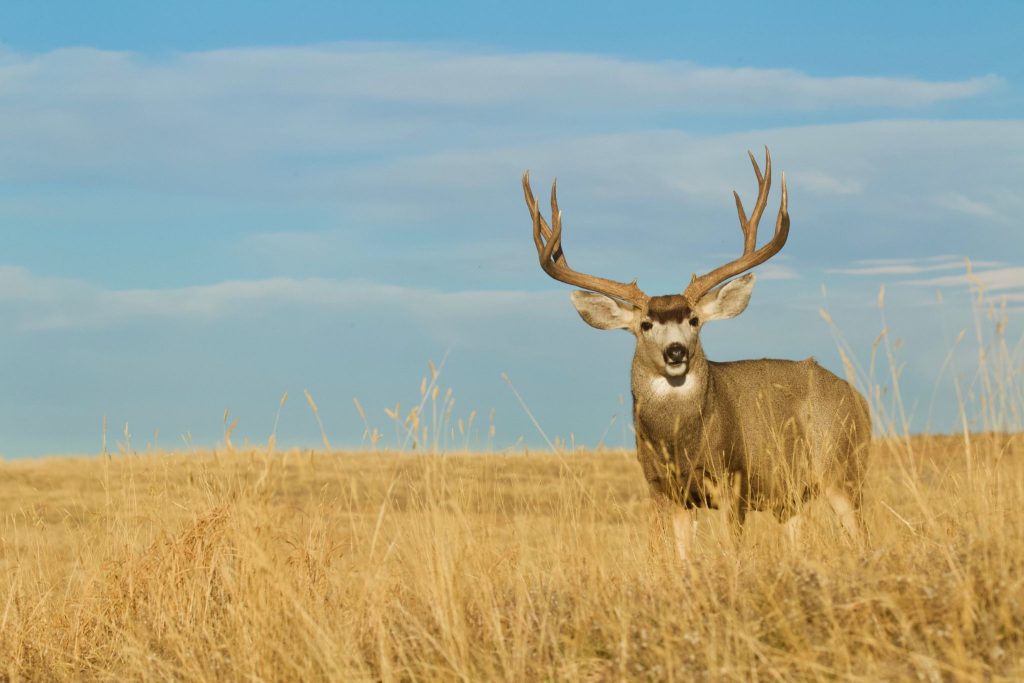
Experienced hunters usually work from proportions instead of trying to complete an official score chart in their heads. They may compare the tine length with known parts of the animal or study the overall frame before making an estimate.
If you’re preparing for a guided elk hunt with R&K Hunting Company, talk through trophy expectations before the first morning. Your guide should know what kind of bull you’re looking for before an opportunity develops.
Does a higher score mean an older animal?
Not necessarily. Antlers change as an animal matures, but the score doesn’t work as an age measurement.
Genetics, nutrition, and injuries all influence antler growth. A hunter who wants a mature animal should therefore look beyond inches alone.
Body shape gives you additional information in the field. R&K’s guide to determining an elk’s age goes deeper into the field signs that help estimate its age. The main distinction remains simple: scoring asks how the antlers are measured, while aging asks how mature the animal appears.
Does every hunter need to care about trophy score?
No. A score gives hunters a shared way to describe antler or horn size, but it doesn’t have to define the hunt.
Some hunters start with a specific class of animal in mind. Others focus more on maturity or the opportunity in front of them. Understanding the system still helps you judge whether a guide’s expectations line up with your own.
FAQ
What does a 300-inch elk mean?
It means the qualifying antler measurements total roughly 300 inches. It doesn’t mean the rack measures 300 inches wide.
What’s the difference between points and score?
Points describe antler count. Score adds measurements from specific parts of the rack, so two animals with the same point count may score very differently.
How do you score deer antlers?
If you’re learning how to score deer antlers, start with the correct chart for the species and category. Follow its measurement instructions. For an official record-book score, follow the organization’s requirements rather than a field estimate.
What is a Boone and Crockett scoring sheet?
A Boone and Crockett scoring sheet is a species-specific chart that shows where to record each required measurement and how to organize the final calculation.
How long do antlers need to dry before official scoring?
Boone and Crockett requires a 60-day drying period before an official measurement. A score taken earlier counts as a green score.
Is field judging an exact way to score an animal?
No. Field judging gives you an estimate. Distance and angle may change how the rack looks, so an exact measurement has to wait.
Know what you’re looking for with R&K Hunting
Understanding trophy measurements gives you a better way to talk about the animal you’re looking for, but the number works best as part of a larger conversation.
Before the hunt starts, decide what success looks like for you. Boone and Crockett scoring gives you a common language for discussing antler size, but your expectations should guide the hunt before an animal steps into view.
If you’re considering a guided hunt in Utah or Wyoming, contact R&K Hunting Company to compare hunt options and start building a plan around your goals.