A hunting checklist should start with legal documents and your weapon. Add clothing and optics suited to the trip. Pack hunting essentials for navigation and emergencies, then plan for meat recovery before you leave. Your season and terrain should guide the final list. On guided hunts, ask your outfitter what they provide.
Pack for the hunt you’re actually taking
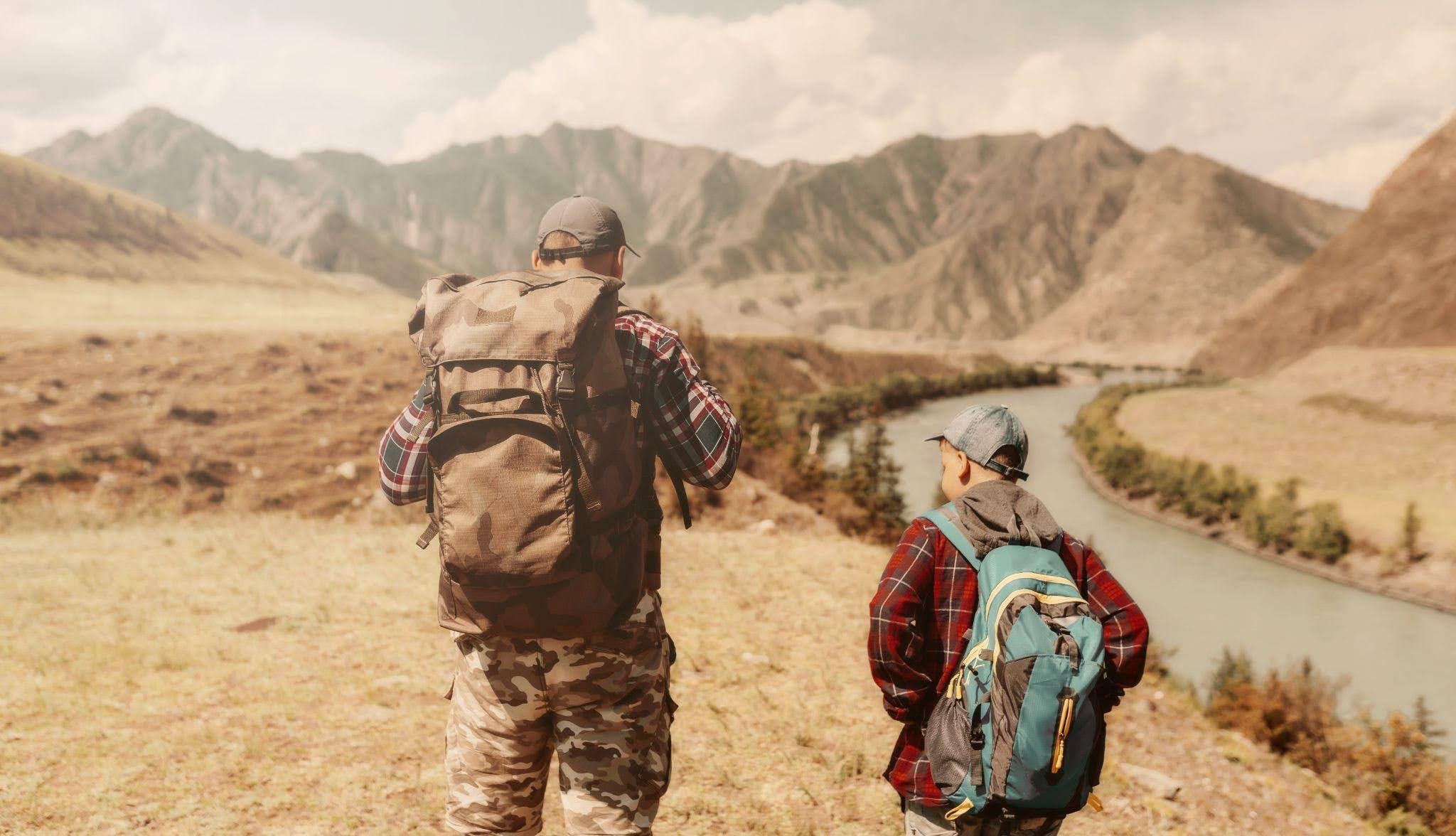
What you need to pack depends on where you’re hunting and how you’ll spend your days in the field. A mule deer hunt with easy road access requires a different setup than an elk hunt that takes you several miles into the backcountry.
Think about the terrain you’ll be hunting and how long you’ll be away from camp each day. That’ll help you decide what belongs in your pack and what you won’t need to carry.
Start with a hunting checklist that fits your trip
Sort your equipment by purpose. Most Western big game hunters should review these categories:
- Documents: License, tags, identification, and any required access paperwork.
- Hunting equipment: Your familiar rifle or bow, suitable ammunition or arrows, and a protective travel case.
- Optics: Binoculars and a rangefinder; add a spotting scope if your hunt calls for one.
- Clothing: Broken-in boots, suitable layers, and required hunter orange or pink.
- Daypack: Water, food, navigation, lighting, and emergency supplies.
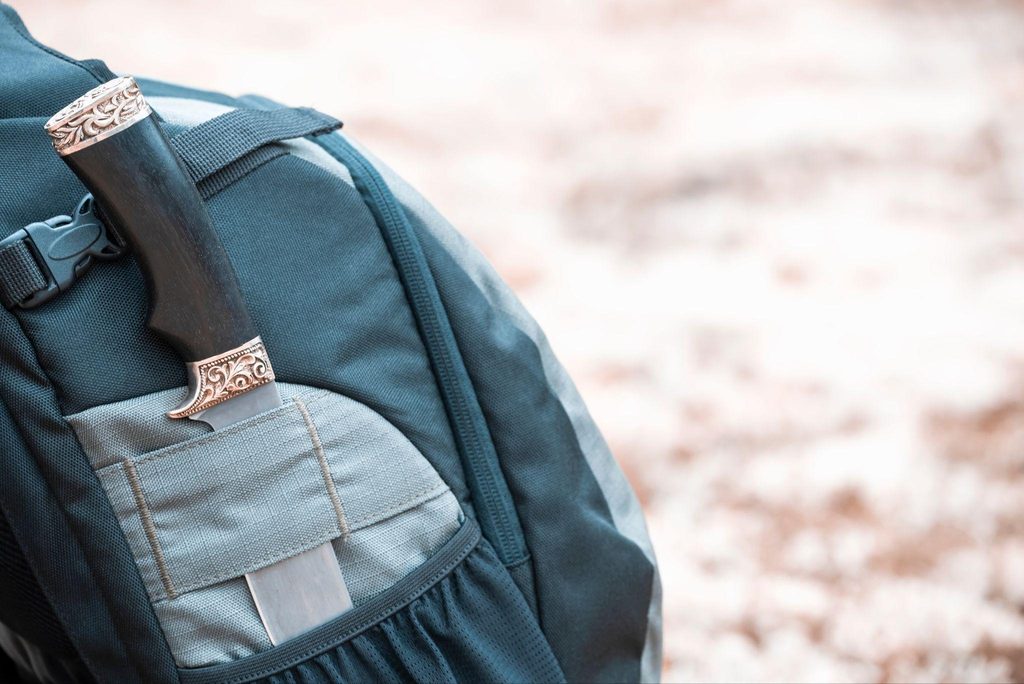
- Recovery gear: Knife, game bags, and a plan for cooling and transporting meat.
Check current Utah big game regulations or Wyoming hunting regulations for your tag. Rules may change between seasons.
Choose boots and clothing for the conditions
Utah temperatures often change throughout the day. Wear moisture-wicking layers for hiking, add insulation when glassing, and keep a waterproof shell handy for changing weather.
Choose boots that grip the terrain and break them in before your hunt. Pack extra socks for wet conditions, along with a small blister kit. If you expect snow, consider waterproof boots and gaiters.
Hunting essentials for finding game and taking a shot
Check your weapon before traveling. Rifle hunters should confirm zero with hunting ammunition, while archery hunters should check broadhead flight and their release.
Binoculars help you spot distant animals, and a rangefinder helps you judge shooting distances. A spotting scope offers a closer look across wide basins, but ask what your guide carries before bringing one.
What belongs in your daypack?
Your daypack needs supplies for the day and an unexpected delay. Make room for the following:
- Water suited to the weather and distance, plus a practical way to refill when necessary
- Food you’ll eat without a lengthy stop
- A headlamp, spare batteries, and a backup light
- Offline maps, a compass, and the skills to use both
- A first aid kit, personal medication, and basic blister care
- A compact emergency shelter and a reliable fire starter, where regulations permit use
- A satellite communicator or personal locator beacon for a remote country without dependable cell service
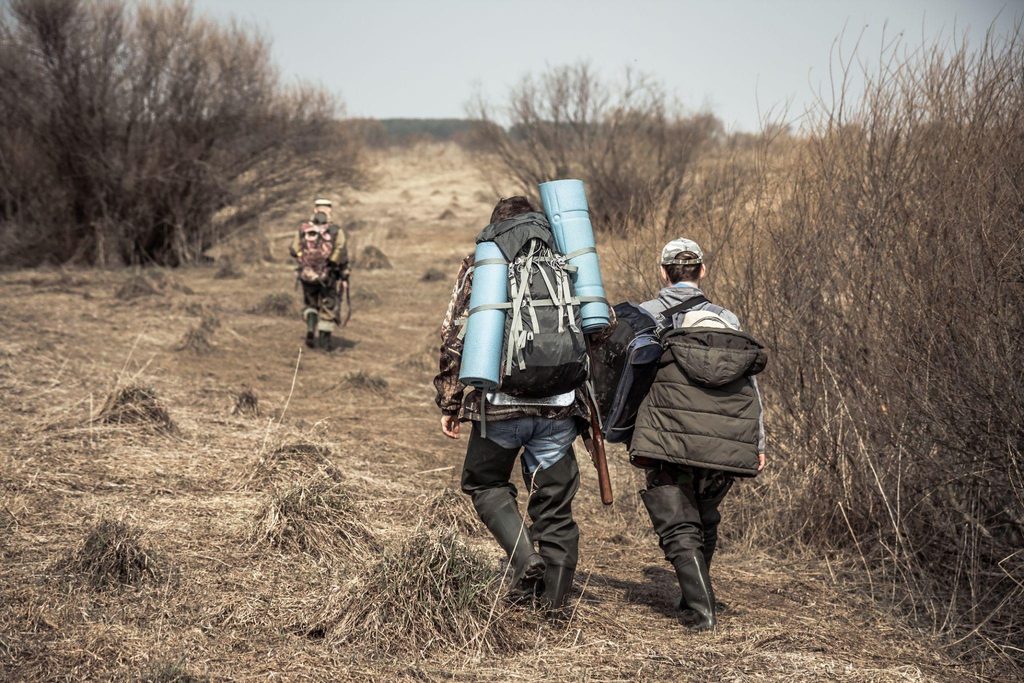
Take your pack on a few hikes before the hunt to make sure it fits comfortably with a full load. Keep items you’ll need quickly, like your headlamp, somewhere easy to reach. Check that your offline maps work before heading out, and let someone know when you plan to return.
Small items hunters often forget
A few small items are worth keeping in your pack. Sunscreen and lip balm help during long days in exposed country, while a foam sitting pad keeps you comfortable when glassing from cold ground. A small repair kit also comes in handy if a strap breaks or something needs a quick fix.
Archery hunters should consider bringing a backup release in case their primary one fails. Don’t forget personal medications or charging cables, either. These hunting essentials are easy to overlook until you need them miles from town.
Adjust your deer hunting gear list for different hunts
A deer hunting gear list should reflect the country. On a Wyoming mule deer hunt, long glassing sessions favor good optics and a sitting pad. In thick timber, mobility may guide your choices.
Elk hunters facing steep climbs should prioritize pack fit. Antelope hunters need sun protection in open country. Late-season conditions may call for heavier gloves and insulation.
Use your deer hunting gear list as a starting point, then adjust for the species and conditions instead of packing every optional item.
Ask what your outfitter provides
Guided hunts vary. Your outfitter may provide lodging or meals and help with recovery. Confirm what’s included rather than assuming every hunt works the same way.
Ask about hiking distances and whether the guide brings a spotting scope. Confirm who handles game bags and meat transport. Those answers help you avoid unnecessary purchases. If you’re flying in for the hunt, review your airline’s current firearm and ammunition policies well before departure. A travel delay is a poor time to discover you packed your case incorrectly.
Pack for meat recovery and the trip home
Hunters often overlook what happens after the shot. A late-afternoon elk harvest far from the road requires a recovery plan. Discuss who handles field dressing and how you’ll cool the meat.
If your group handles recovery, bring a sharp knife and enough breathable game bags. Think through how you’ll pack out big game animals, especially if getting the meat back to the truck will take several trips. Have coolers ready for the drive home and know where you’ll get ice or find a meat processor. Even in cold weather, fresh elk quarters hold body heat, so begin cooling the meat as soon as possible.
Common packing mistakes to avoid
A few decisions create trouble before hunters even spot an animal:
- Packing untested gear: New boots or an unfamiliar backpack may feel fine at home, but rub after a steep hike.
- Forgetting the legal details: Double-check the correct tag and any required clothing before leaving camp.
- Carrying every backup item: Keep useful spares nearby without dragging a full camp into the field.
- Ignoring the return trip: Plan for the possibility of a late recovery and a longer walk back.
FAQ
What hunting essentials should a first-time hunter prioritize?
Prioritize legal documents and dependable hunting equipment. Wear tested boots and pack suitable layers. Keep water and emergency supplies accessible. Ask your outfitter about specialized gear before buying it.
How does a deer hunting gear list differ from an elk hunting list?
Both require reliable optics and seasonal clothing. Mule deer hunts often involve long glassing sessions, while steep-country elk hunts may demand a pack suited to strenuous hiking or meat recovery.
How much should I carry in my daypack?
Carry daily gear plus supplies for an unexpected delay. Let your distance from camp and the weather guide your load. Test pack comfort before opening in the morning. Even a light load feels different after hours on uneven ground.
Do I need a spotting scope on a guided hunt?
Not necessarily. Spotting scopes help hunters examine distant animals. Ask what your guide will carry before adding another heavy piece of equipment.
What gear do hunters most often forget?
Spare batteries and blister treatment often slip through the final check. Remember personal medication and a backup archery release if you use one. Check these before leaving.
How much food and water should I bring?
Pack food you’ll eat and enough water for the distance and weather. Plan for refills or treatment when appropriate. Ask your guide about water access in dry country.
Do I need game bags if I’m hunting with an outfitter?
Ask your outfitter. Some guides supply game bags and handle recovery; others expect hunters to help. Confirm the plan so you bring what the group needs.
What should I pack for a cold-weather hunt?
Bring insulation for long glassing sessions and a shell for wind or precipitation. Keep dry socks handy and protect batteries from severe cold. Adjust layers before you sweat. Glassing spots often feel colder than the hike that brought you there.
Plan your next hunt with R&K Hunting Company
A useful hunting checklist helps you bring the gear you’ll actually need without weighing yourself down with unnecessary equipment. Take the time to check everything before you leave, and make sure you’re comfortable using what you bring. A little preparation now helps you avoid problems once you’re out in the field.
If you’re planning a guided elk or mule deer hunt in Utah or Wyoming, talk with your outfitter about the terrain and what to expect during the trip. Contact R&K Hunting Company to discuss your upcoming hunt and get a better idea of what you’ll need before arriving at camp.