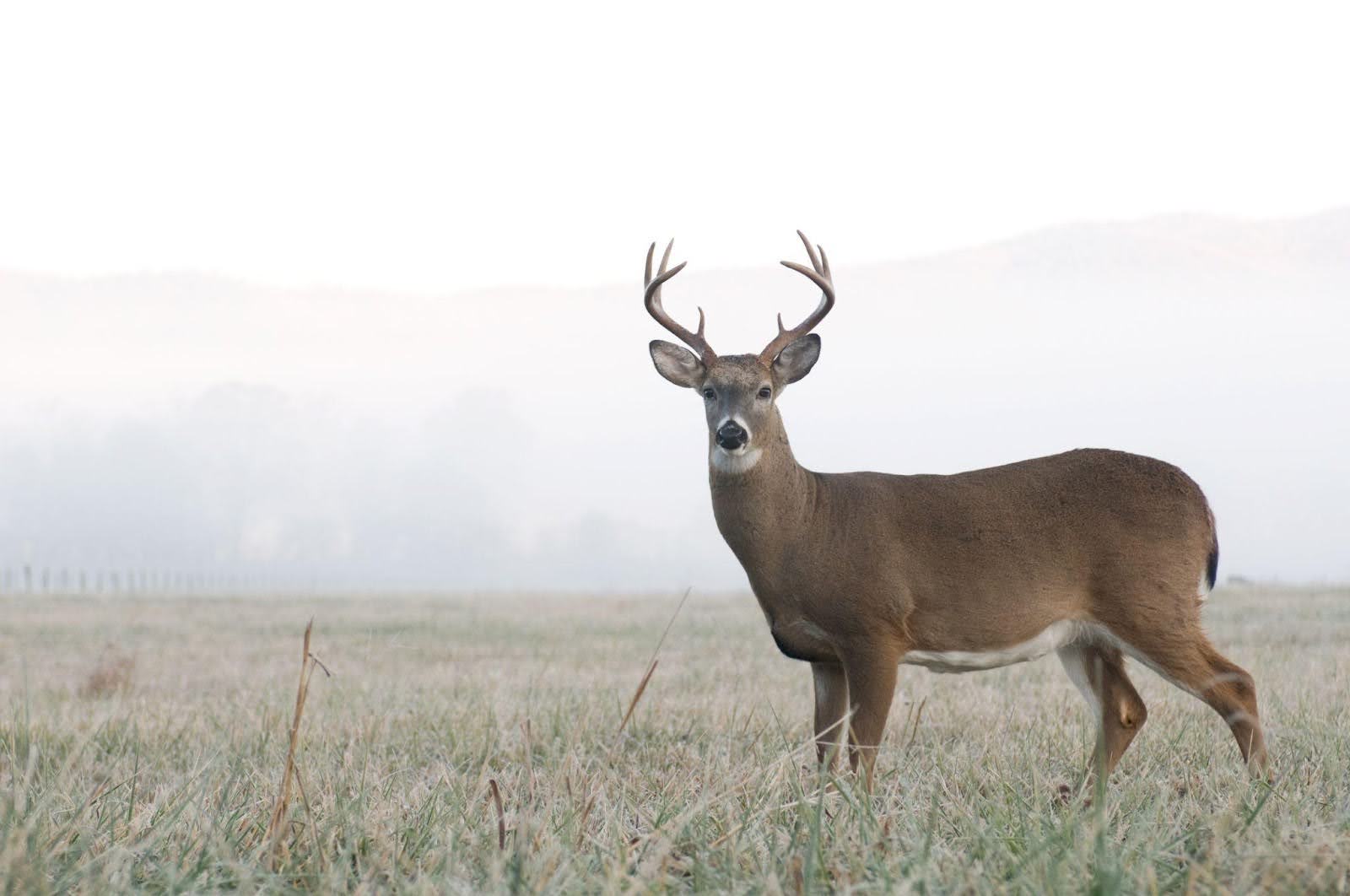
After you shoot a deer, it’s important to slow down and follow a simple plan. Wait before tracking, mark where the deer went, and take a quick photo if conditions allow. Then start field dressing a deer as soon as possible to cool the carcass and protect meat quality. Finally, get the deer out safely and hang it promptly.
The steps that help you finish the job right
Many hunters put in countless hours of preparation into shooting a deer, but what happens after you’ve successfully pulled the trigger? It’s common to spend a lot of time planning, prepping, and practicing before a hunt. But when it comes to what to do after the shot, plenty of hunters are not as prepared as they should be.
An important part of hunting well is having a plan for what happens next. Whether you’re on one of our guided hunting trips or heading out with a buddy, these five steps help you recover your deer cleanly, protect the meat, and finish the hunt the right way.
What to do after shooting a deer
The shot is only the start of the real work. From here, your priorities shift to recovery and meat care. Slow everything down, think through your next steps, and move with purpose instead of adrenaline.
This matters even more if you’re hunting steep country or warm early-season conditions. It also matters on guided hunting trips, where a clear plan keeps everyone working together. One person watches and marks, another prepares for recovery, and everyone avoids rushing into mistakes.
5 things every hunter should do after shooting a deer
Stop and wait
Before climbing down from your treestand or leaving your blind, wait at least 30 minutes after shooting your deer. If the deer didn’t drop immediately, waiting helps keep you from pushing a wounded animal deeper into cover.
Use that time to gather your thoughts and mark landmarks along the deer’s path so you can start the blood trail quickly. The clearer you can replay the first 50 to 150 yards, the easier the recovery becomes.
If anything feels uncertain, wait longer, not shorter. Rushing recovery turns short tracks into long problems.
Get your picture
This is a moment you’ll want to remember, so take your picture before you move the deer. Keep it simple: wipe excess blood if needed, tuck the tongue, and position the deer naturally.
If you’re with a partner on guided hunting trips, have them grab a few quick angles, then move on. If daylight is fading or temps are warm, prioritize recovery and meat care, and keep the photo brief.
Field dressing
Field dressing needs to happen as soon as possible. Removing the internal organs helps the carcass cool, slows bacterial growth, and protects venison quality.
When field dressing a deer, work clean and deliberately. Avoid puncturing organs, and keep fur, dirt, and debris out of the cavity. If you’re new, focus on clean meat, fast cooling, and careful cuts. In warm weather or long hauls, quarter sooner and get meat into game bags for airflow.
On a guided mule deer hunt, your guide can help, but knowing the process ahead of time saves time and protects meat.
Get it down the mountain
Loading the deer into a trailer or side-by-side is ideal, but terrain often forces a drag or pack-out. Plan your route before you move weight, because steep sidehills, deadfall, and brush add up fast.
Use a tarp to keep the deer off the ground, or keep quarters in game bags and off dirt. If you’re far from the truck, choose safe loads over heavy loads. Multiple trips beat one injury, and guided hunting trips often help by planning smarter extraction routes.
Hang your deer
Once you reach your destination, hang the deer right away. Hanging keeps it off the ground, helps blood drain, and improves airflow, especially in shade.
Then move toward processing. If it’s warm, cool the deer quickly and process sooner. If it’s cold, you have more flexibility, but clean handling and airflow still matter. Treat hanging as part of meat care, not an afterthought.
Why these steps matter
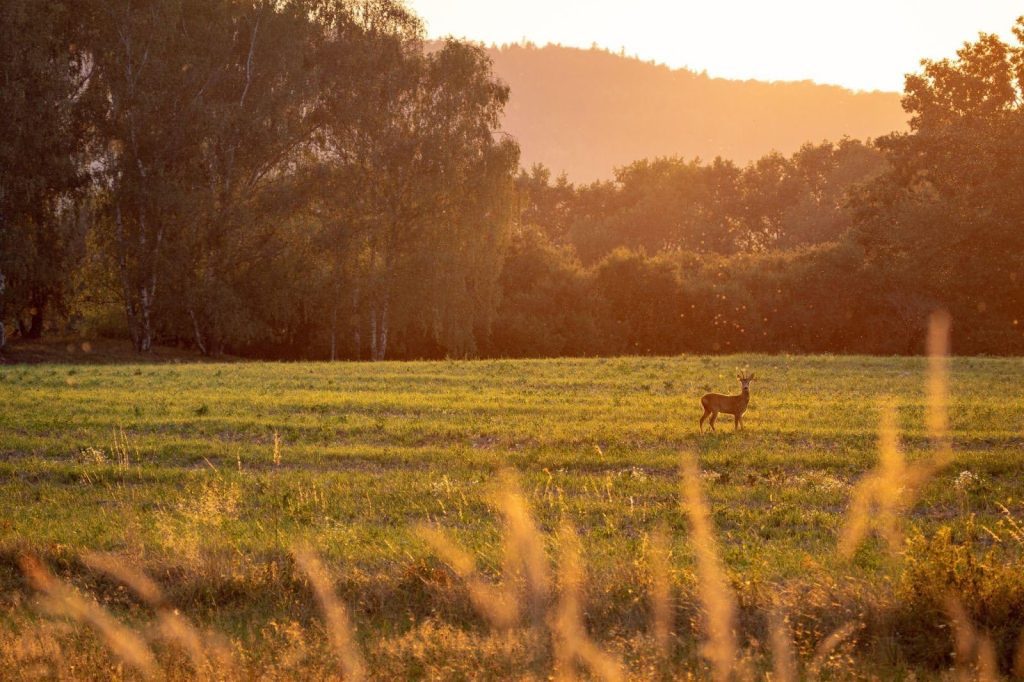
These five actions do more than “check boxes.” They protect the two things that matter most after the shot: recovering the deer properly and preserving meat quality. When you slow down, follow a clear process, and handle the deer with care, you set yourself up for a cleaner recovery and better venison.
Here’s what these steps help you do:
- Recover the animal more consistently and ethically by avoiding rushed tracking and making smarter decisions.
- Protect the venison by cooling it faster and keeping it cleaner from hair, dirt, and debris.
- Reduce fatigue-related mistakes by pacing the work and staying organized.
- Make pack-out and processing easier by handling the deer cleanly and managing it from the start.
Whether you’re hunting solo or joining our guided hunting trips, the best hunts are the ones you finish well — with the deer recovered, the meat cared for, and the job done right.
Common mistakes to avoid
Most post-shot problems come from a handful of avoidable mistakes. The good news is you can prevent nearly all of them by slowing down, staying organized, and following the same basic process every time. The most common issues happen when hunters rush the recovery, skip landmarks, or delay meat care until it’s too late.
Watch out for these mistakes:
- Tracking too soon and pushing a wounded deer deeper into cover.
- Not marking the last spot you saw the deer, which makes it easy to lose the line of travel.
- Waiting too long to start field dressing a deer, especially in warm temperatures.
- Letting hair, dirt, and debris contaminate the meat during recovery, dragging, or quartering.
- Spending too long on photos and delaying recovery and cooling.
- Overloading a pack or rushing steep terrain increases injury risk fast.
- Forgetting essentials like gloves, a sharp knife, game bags, and a headlamp.
If you make one change this season, make it this: build your post-shot kit and plan before the hunt, not after the shot.
Data and research insights
Cool the carcass quickly to slow bacterial growth
Guidance for big game and venison handling emphasizes quick cooling and keeping the carcass in shade with airflow to protect meat quality.
Keep it clean while you work
Food-safety guidance for wild game stresses clean handling during field care and transport to reduce contamination and spoilage risk.
Use a simple heat benchmark
If you’re sweating while you work, treat it as a warm-weather scenario: move efficiently, get heat out of the carcass, and get meat into shade and airflow as soon as possible.
Tools that make it easier
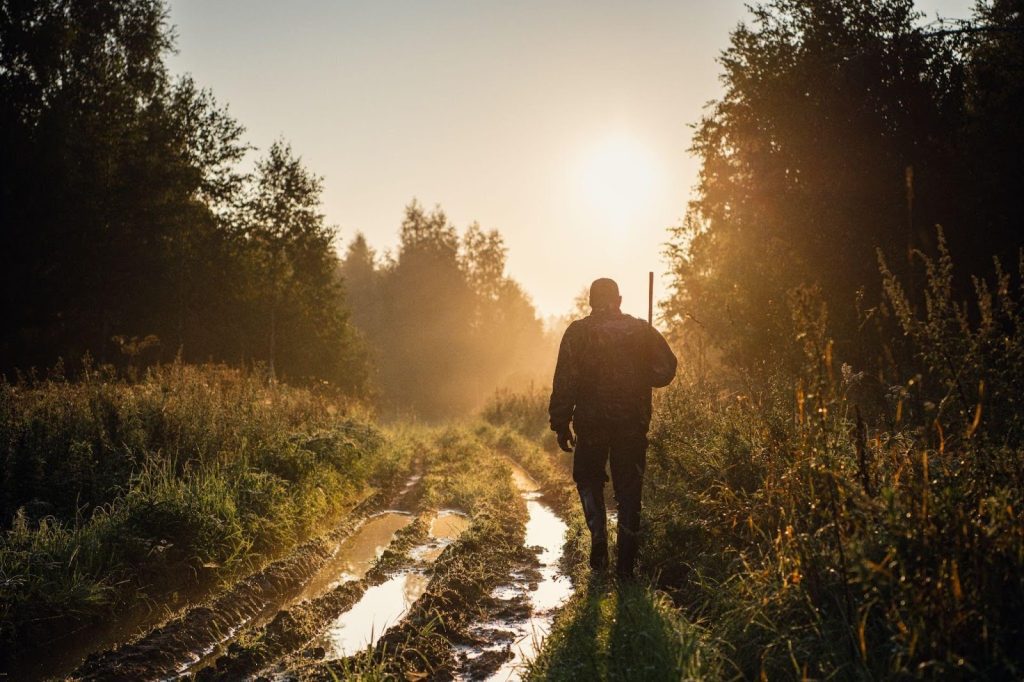
A few basics make the entire process smoother.
- Sharp knife and a small sharpener
- Disposable gloves
- Headlamp with spare batteries
- Game bags for clean, breathable storage
- Small tarp or contractor bag to keep meat clean
- Paracord for tying off, hanging, or securing loads
- Flagging tape or a GPS pin to mark blood trail landmarks
- Cooler plan at the truck, including ice or frozen jugs
On guided hunting trips, you’ll often have support for recovery and planning, but you should still carry the essentials yourself. That keeps you prepared in any scenario.
FAQ
How long should I wait before tracking a deer?
In many cases, wait at least 30 minutes before tracking. If the shot wasn’t clearly fatal or the deer ran hard, waiting longer can help prevent pushing it deeper into cover. Use the time to mark landmarks and replay the shot so you start tracking with a plan.
What’s the cleanest way to field dress in the woods?
Start on a clean spot when possible, wear gloves, and keep your blade sharp to work precisely. Avoid puncturing organs and keep hair and dirt away from the cavity. When field dressing a deer, work deliberately and prioritize cooling and clean handling over speed.
What if it’s warm out and I’m far from the truck?
Prioritize cooling fast. Field-dress immediately, move the deer into the shade, and provide airflow to the carcass. If the haul is long, consider quartering and placing the meat in game bags to help it cool more evenly. Plan your route out, and pace the pack-out to avoid injuries.
Do I need to hang my deer right away?
Yes, when possible. Hanging keeps the deer off the ground, improves airflow, and helps the carcass cool while blood drains. If temperatures are warm, shorten the processing timeline. If temperatures are cold, you may have more time, but clean handling still matters.
What should I bring on a guided mule deer hunt?
Bring a sharp knife, gloves, game bags, a headlamp, and a small tarp or contractor bag. Even on a guided mule deer hunt, having your own essentials keeps you prepared, speeds up recovery, and helps you protect meat quality from the moment you start handling the deer.
How do guided hunting trips help after the shot?
Guided hunting trips help because guides know how to manage recovery calmly and efficiently. They help mark landmarks, plan tracking, speed up clean meat care, and choose safer extraction routes. That support helps you avoid rushed decisions and finish the hunt the right way.
Finish the hunt strong with R&K Hunting Company
Shooting a deer is exciting, but it’s not the end of the adventure. Book your next hunt with R&K Hunting Company for real-world support with recovery, field dressing a deer, and safe extraction.
Planning a guided mule deer hunt or other guided hunting trips? Call R&K Hunting Company today to lock in dates, ask questions, and get matched with the right trip for your goals.